Global charter · 24 / 7 · Email support vip@jetalto.com
Light Jet · Model

Cirrus Vision Jet SF50 Charter

The only production jet with a whole-airframe parachute and emergency autoland. One engine, 74 gph, and hourly costs closer to a turboprop than a jet.
RANGE
2,222 km
MAX PAX
5
TOP SPEED
311 kt
CABIN H.
1.24 m
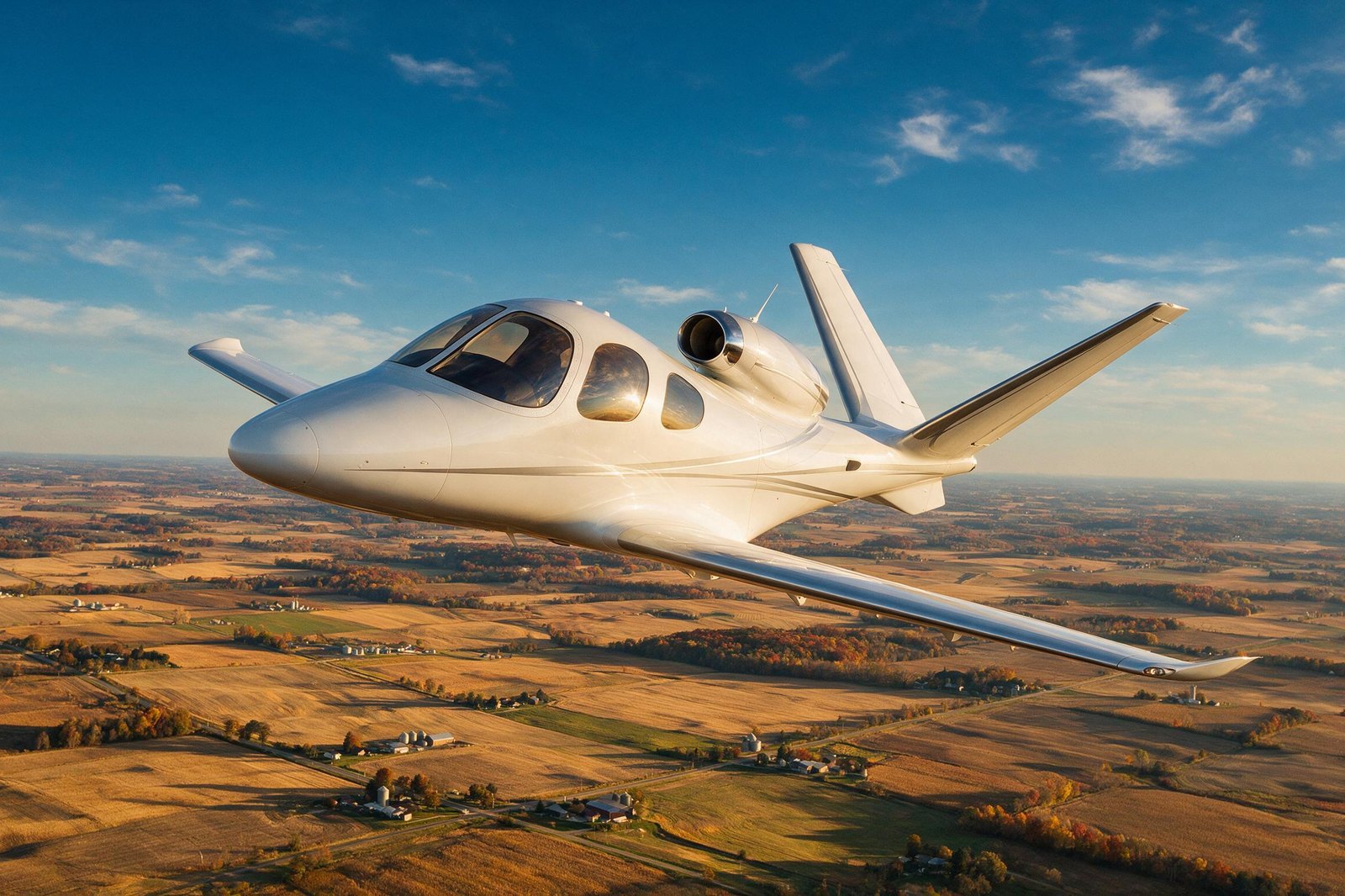
Cirrus Vision Jet SF50 exterior

Get a private jet charter quote

Get a firm Cirrus Vision Jet SF50 quote. No email required to see the price.

Overview

The Cirrus Vision Jet SF50 at a glance

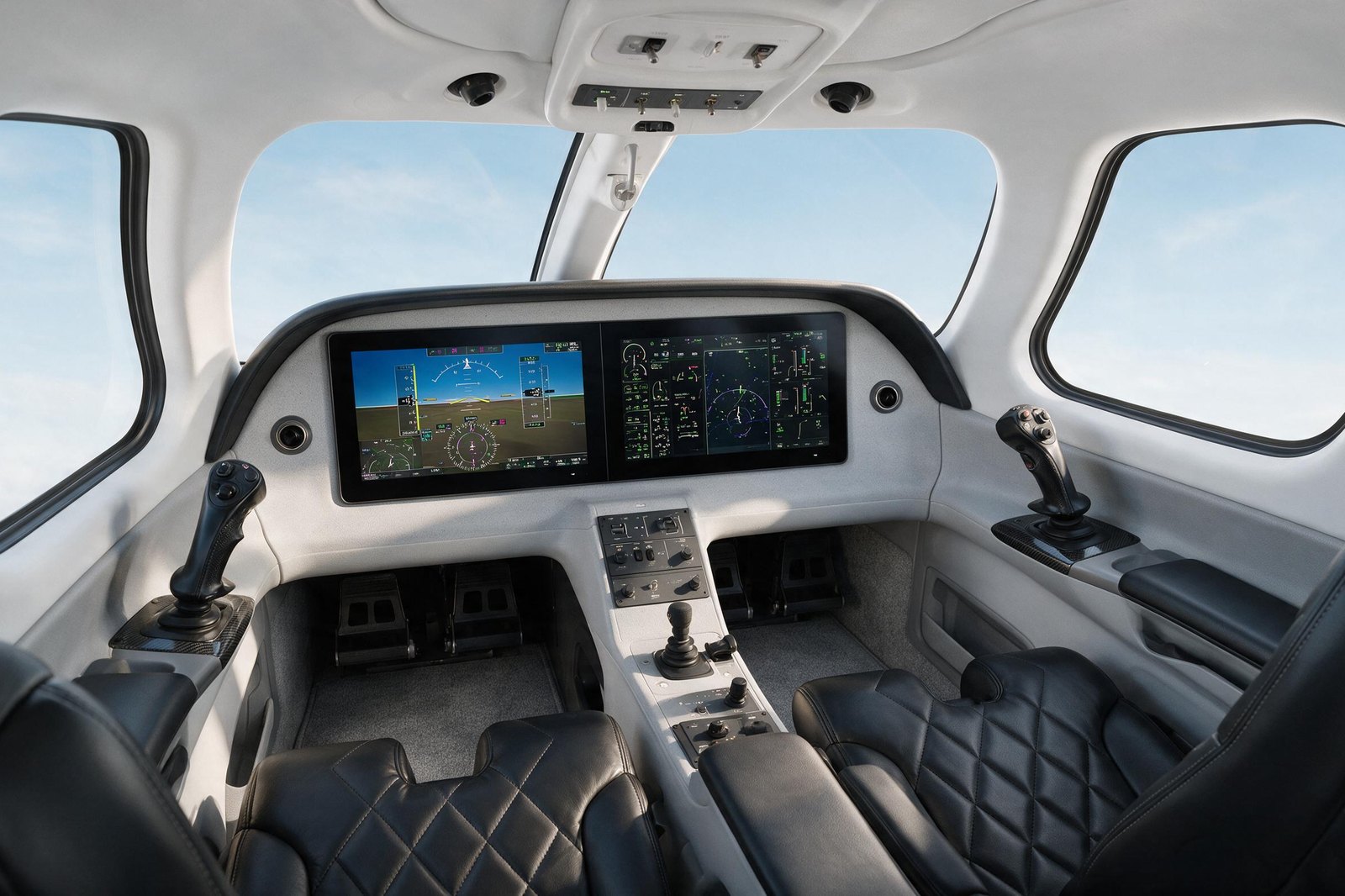
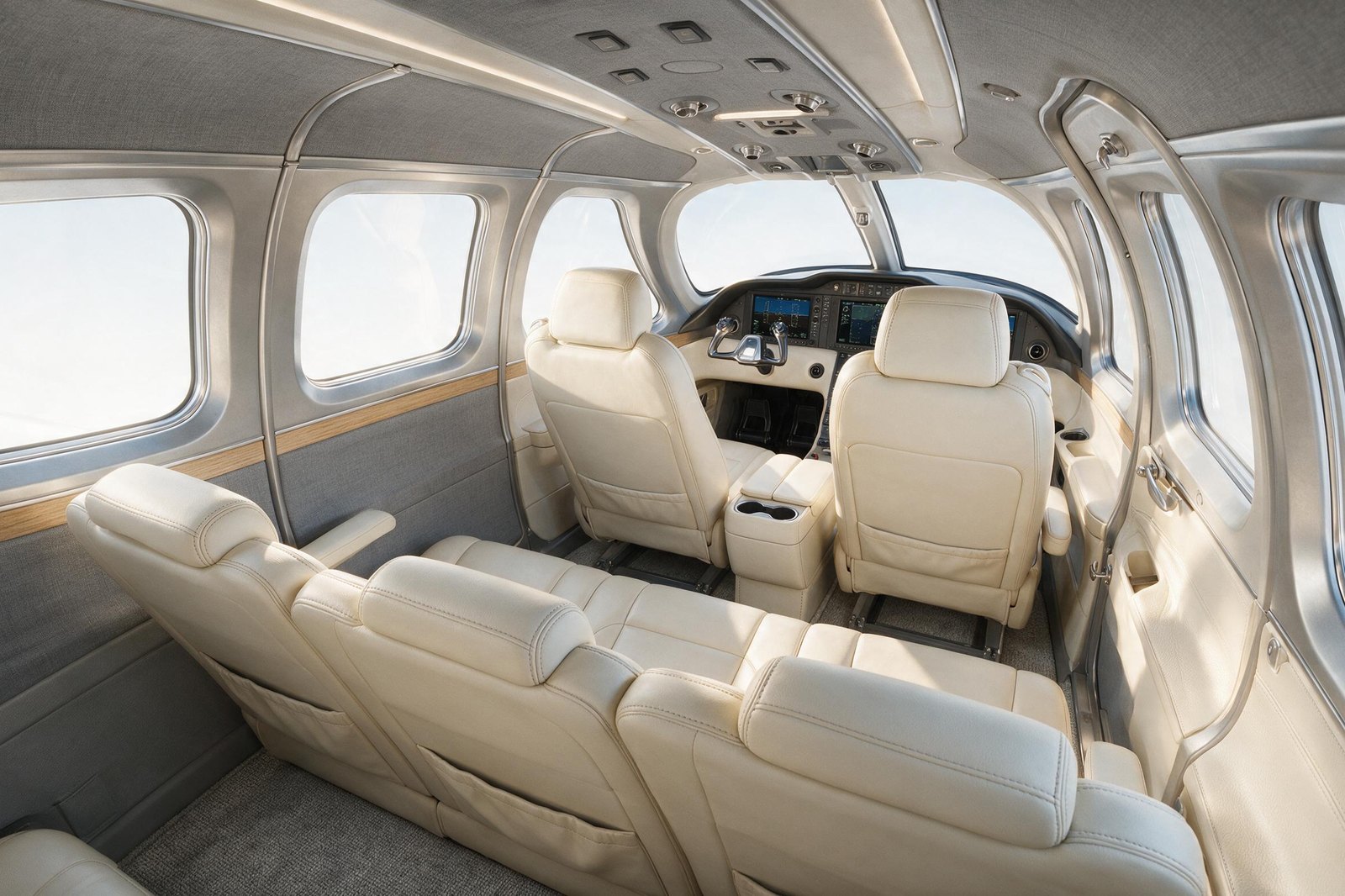
The Vision Jet is chosen for three missions. First, owner-flown short hops, where 74 gph and 700 to 1,250 USD per hour variable cost undercut every twin jet on the market. Second, safety-led buying, since CAPS and Safe Return give a single-pilot operation two layers of recovery no other jet offers. Third, small-field access, with a 973 m obstacle-clearance takeoff and 496 m landing roll opening strips a Citation M2 cannot use. The costs are a 31,000 ft ceiling, 311 kt cruise and a 1.24 m cabin you sit low in.
Specifications

Cirrus Vision Jet SF50 specifications & fast facts

Range
2,222 km
Passengers
5
Top speed
311 kt
Cabin height
1.24 m
Cabin width
1.63 m
Manufacturer
Cirrus Aircraft
Country of origin
United States (Duluth, Minnesota)
First flight
3 July 2008 (proof-of-concept), 24 March 2014 (conforming prototype)
In production since
2016, still in production
Aircraft still built
Yes, current production model in G2+ form
Units delivered
721 delivered as of December 2025
Engines
1 × Williams International FJ33-5A, 1,846 lbf
Avionics
Cirrus Perspective Touch+ by Garmin (G3000 based)
Max cruise altitude
31,000 ft
Cabin altitude
8,000 ft at FL310 (7.1 psi differential on G2 and later)
Baggage volume
776 L (27.4 cu ft), 300 lb limit
Takeoff distance
973 m (3,192 ft) over a 50 ft obstacle
Landing distance
496 m (1,628 ft) ground roll
Runway suitability
Operates from 3,200 ft runways and many general-aviation strips closed to twin jets
Certification
FAA type certificate 28 October 2016, EASA validation May 2017
Lavatory
Optional aft lavatory behind a privacy screen
Ownership & operating costs

Cost to charter, buy and operate a Cirrus Vision Jet SF50

Charter rate (EUR/hr)
€1,800 to 2,400
Ex-tax, European operators
Charter rate (USD/hr)
$1,950 to 2,800
North American operators
List price, new
~$3.25M
Factory-new, current model year
Pre-owned market
$1.8 to 3.2M
5-8 year old aircraft
Annual fixed cost
$90,000 to 140,000
Crew, hangar, insurance
Variable cost per hour
$700 to 1,250
Fuel, maintenance, fees
Crew required
1 pilot, single-pilot certified with Safe Return autoland as backup.
Fuel burn
74 gph typical cruise (about 280 L/h)
Typical cruise
Typical annual use
150 to 300 hrs/yr
Hangar footprint
9.4 m × 11.7 m

The Vision Jet remains in production at Duluth with 721 delivered by the end of 2025. It is the best-selling jet by unit volume in its segment and support comes through the Cirrus service network.

Compare

Cirrus Vision Jet SF50 vs. similar light jets

How the Cirrus Vision Jet SF50 stacks up against the other light jets we charter. Tap any linked model for the full spec sheet.

Aircraft Range Pax Top speed Cabin H × W Notes
Embraer Phenom 300 3,650 km 7 464 kt 1.5 × 1.55 m The most-delivered business jet in the world for a decade. Best cabin in class, single-pilot approved, superb short-runway performance.
Cessna Citation CJ3+ 3,778 km 6 416 kt 1.45 × 1.47 m The value pick. Very efficient, easy to charter cheaply, cabin is a touch narrower than the Phenom.
Learjet 75 Liberty 3,852 km 6 465 kt 1.5 × 1.56 m Fastest light jet in the sky, 51,000 ft ceiling, only flat-floor cabin in class. Bombardier ended production in 2022 so the fleet is used-only but young.
Cessna Citation CJ4 Gen2 4,010 km 10 451 kt 1.45 × 1.47 m The largest and fastest CJ. Single-pilot certified, transatlantic-capable with a Reykjavik stop, and a 2021 cabin refresh.
Embraer Phenom 100EV 2,182 km 6 406 kt 1.47 × 1.55 m The premium entry-level jet. Four-seat cabin, Garmin G3000, and a 15 percent lower hourly rate than the Citation M2.
HondaJet Elite II 2,865 km 6 422 kt 1.47 × 1.52 m Over-wing engine mounts, a signature quiet cabin, and the 2022 refresh with autothrottle. A category of one.

Considering a different size? Browse the full light jet lineup, or step up to a midsize jet for longer legs.
Gallery

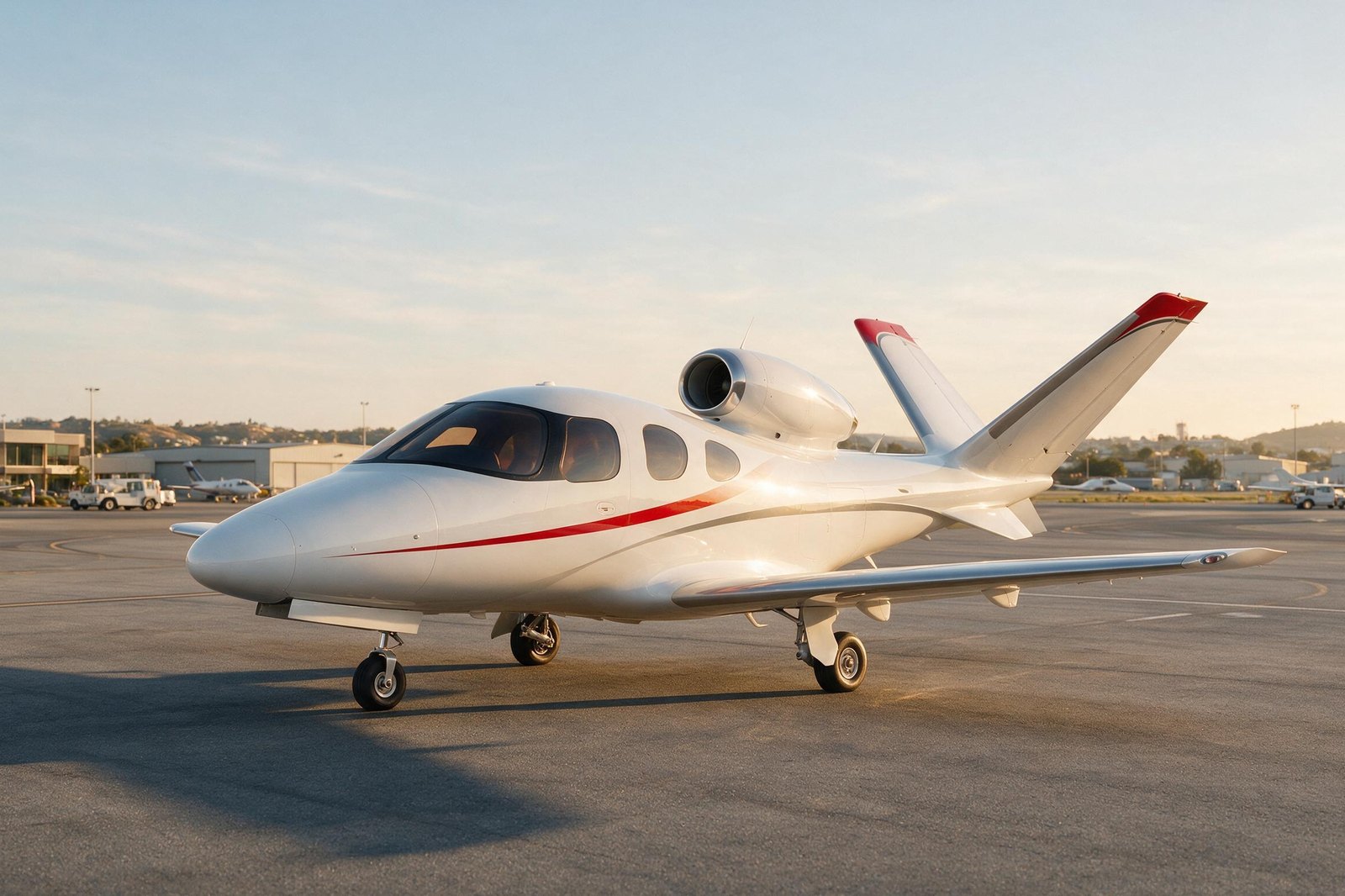
Cirrus Vision Jet SF50 photos

Typical missions

Popular Cirrus Vision Jet SF50 routes

Frankfurt → Nice 1 h 50 min
London → Geneva 1 h 40 min
Munich → Milan 1 h 20 min
Berlin → Zurich 1 h 35 min
Milan → Sardinia 1 h 20 min
New York → Miami 3 h 45 min
Questions

Cirrus Vision Jet SF50 FAQ

How many passengers can the Cirrus Vision Jet SF50 seat?
Five passengers in normal charter use, with up to six passengers plus one pilot at maximum certified occupancy. Filling all seven seats requires trading fuel, so most legs are flown with four or five aboard.
What is the Cirrus Vision Jet SF50 hourly charter rate?
European operators quote 1,800 to 2,400 EUR per hour ex-tax, with UK operators around 1,900 to 2,200 GBP. North-American rates run 1,950 to 2,800 USD per hour, the lowest of any jet in charter service.
How much does a Cirrus Vision Jet SF50 cost?
The 2024 Cirrus price list puts a new G2+ at about 3.24 million USD. Pre-owned aircraft run 1.8 to 3.2 million USD, with the split driven by whether the airframe is a G1 limited to FL280 or a G2 and later cleared to FL310.
What does it cost to own and operate a Cirrus Vision Jet SF50?
Fixed costs are about 90,000 to 140,000 USD per year for an owner-flown aircraft. Variable cost runs 700 to 1,250 USD per hour depending on annual utilisation, with fuel about 74 gallons per hour. At 200 hours a year the all-in figure lands near 300,000 USD.
How many crew does the Cirrus Vision Jet SF50 need?
One pilot. The aircraft is designed around single-pilot operation and the G2+ adds Safe Return emergency autoland, which a passenger can trigger if the pilot is incapacitated.
Where is the Cirrus Vision Jet SF50 built?
Cirrus Aircraft builds it in Duluth, Minnesota, with final finishing at Knoxville, Tennessee. Williams International supplies the FJ33 engine. Cirrus is owned by China Aviation Industry General Aircraft.
When did the Cirrus Vision Jet SF50 first fly?
The proof-of-concept aircraft flew on 3 July 2008 and the conforming prototype on 24 March 2014. FAA type certification came on 28 October 2016 and the first customer aircraft was handed over on 19 December 2016.
Is the Cirrus Vision Jet SF50 still in production?
Yes. The G2+ is the current model and 721 aircraft had been delivered by December 2025. It is the highest-volume jet programme in the personal jet segment.
What engines does the Cirrus Vision Jet SF50 use?
One Williams International FJ33-5A turbofan rated at 1,846 lbf, mounted above the fuselage between the V-tail surfaces. Earlier aircraft used the FJ33-4A-19 at 1,900 lbf.
How does the Cirrus Vision Jet SF50 compare to a HondaJet Elite?
The HondaJet Elite is a twin, cruises about 110 kt faster at 422 kt and climbs to FL430 with roughly 300 nm more range. The Vision Jet burns 74 gph against about 120 gph, costs half as much to buy, and is the only one of the two with a whole-airframe parachute and autoland.
Can the Cirrus Vision Jet SF50 use short runways?
Yes, better than any jet in charter service. It clears a 50 ft obstacle in 973 m and its landing ground roll is 496 m, so grass-adjacent paved strips and small alpine fields are within limits.
What is the baggage capacity?
776 litres or about 27.4 cubic feet total across the aft and nose compartments, with a 300 lb limit. That is the tightest hold of any jet on this site, so soft bags only.