Market notes
On chartering from Vienna
Vienna's private-aviation setup centres on Schwechat, an around-the-clock airport with two runways of 3,500 m and 3,600 m and no fixed night ban, subject only to a movement cap agreed with surrounding communities. The General Aviation Terminal sits about 3 km west of the main terminal building, staffed by Vienna Airport FBO with extended weekday hours and a 24-hour hotline for out-of-hours coordination. Magnum FBO also operates on the field, so a quote comparison between the two handlers is routine rather than exceptional. For most missions, whatever the aircraft class, Schwechat is the correct default. The final operator confirmation validates the field, aircraft, timing and ground arrangement together.
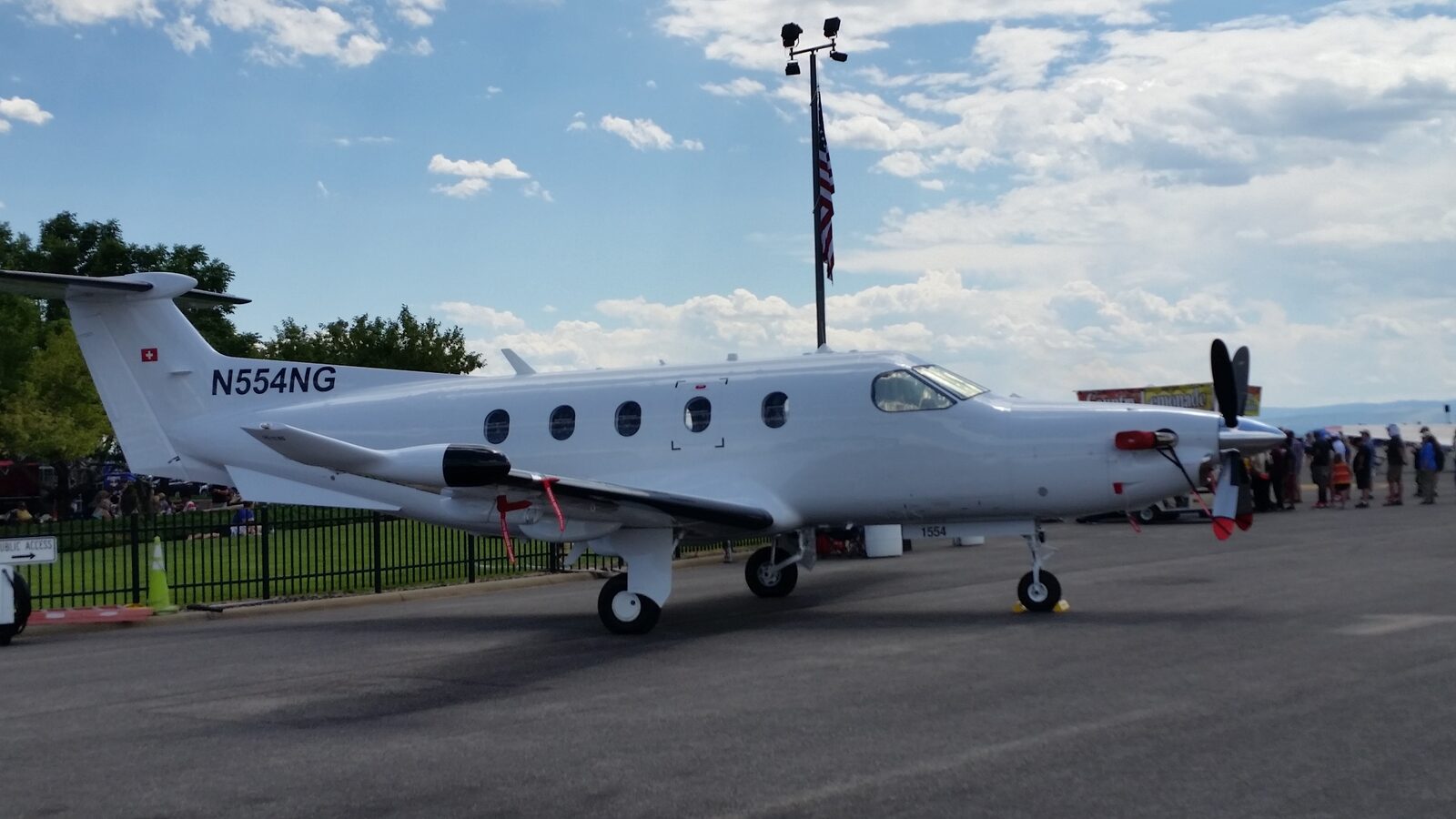
Bad Voslau, 35 km south of the city, is Austria's dedicated business-aviation field outside the capital, distinct from a commercial airport in scale and purpose. Its paved runway is only 950 m with a 6,300 kg weight limit, which keeps it to turboprops and the smallest light jets rather than anything resembling a full charter fleet. Daily hours run 09:00 to 20:30 local, narrower than Schwechat's continuous operation, and the airfield keeps its own tower and administration office rather than relying on the main airport's infrastructure. For a short hop on a Pilatus PC-12 or similar type where the closer field saves meaningful ground time, Voslau is worth checking against Schwechat. The final operator confirmation validates the field, aircraft, timing and ground arrangement together.
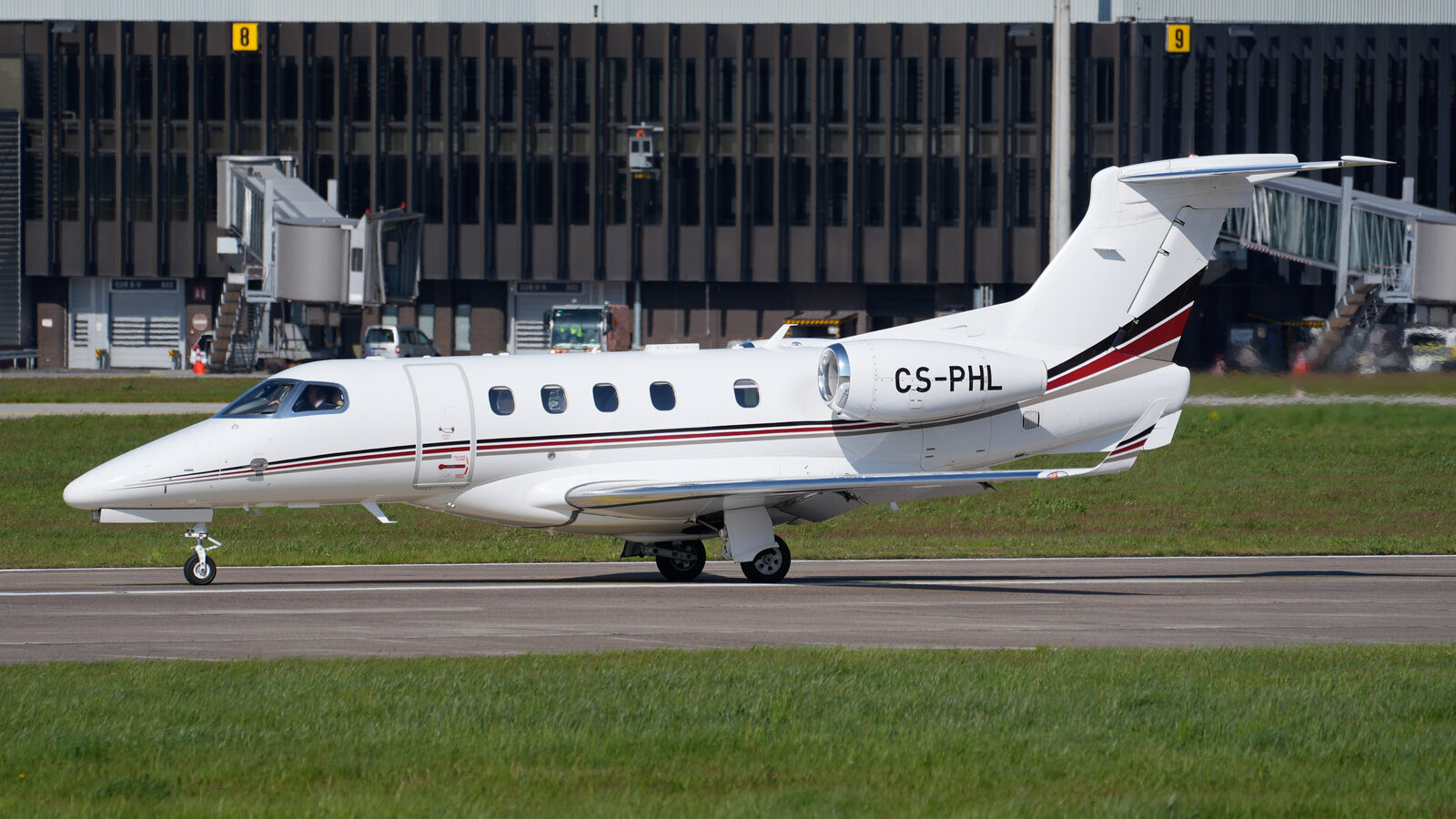
Pricing from Vienna tracks the corporate and event calendar of Central Europe rather than a single leisure season. Short intra-regional hops to Munich and Zurich carry low entry points, generally in the 6,000 to 9,000 EUR range on a light jet, while cabin class and positioning drive the final figure upward quickly. Longer sectors toward Istanbul and the Gulf move into midsize and heavy jet territory, and winter ski-season demand toward the Alps adds pressure on light and midsize aircraft availability. Weekday mornings tend to see the heaviest business traffic, while weekend evenings can tighten around major Austrian public holidays. The final operator confirmation validates the field, aircraft, timing and ground arrangement together.
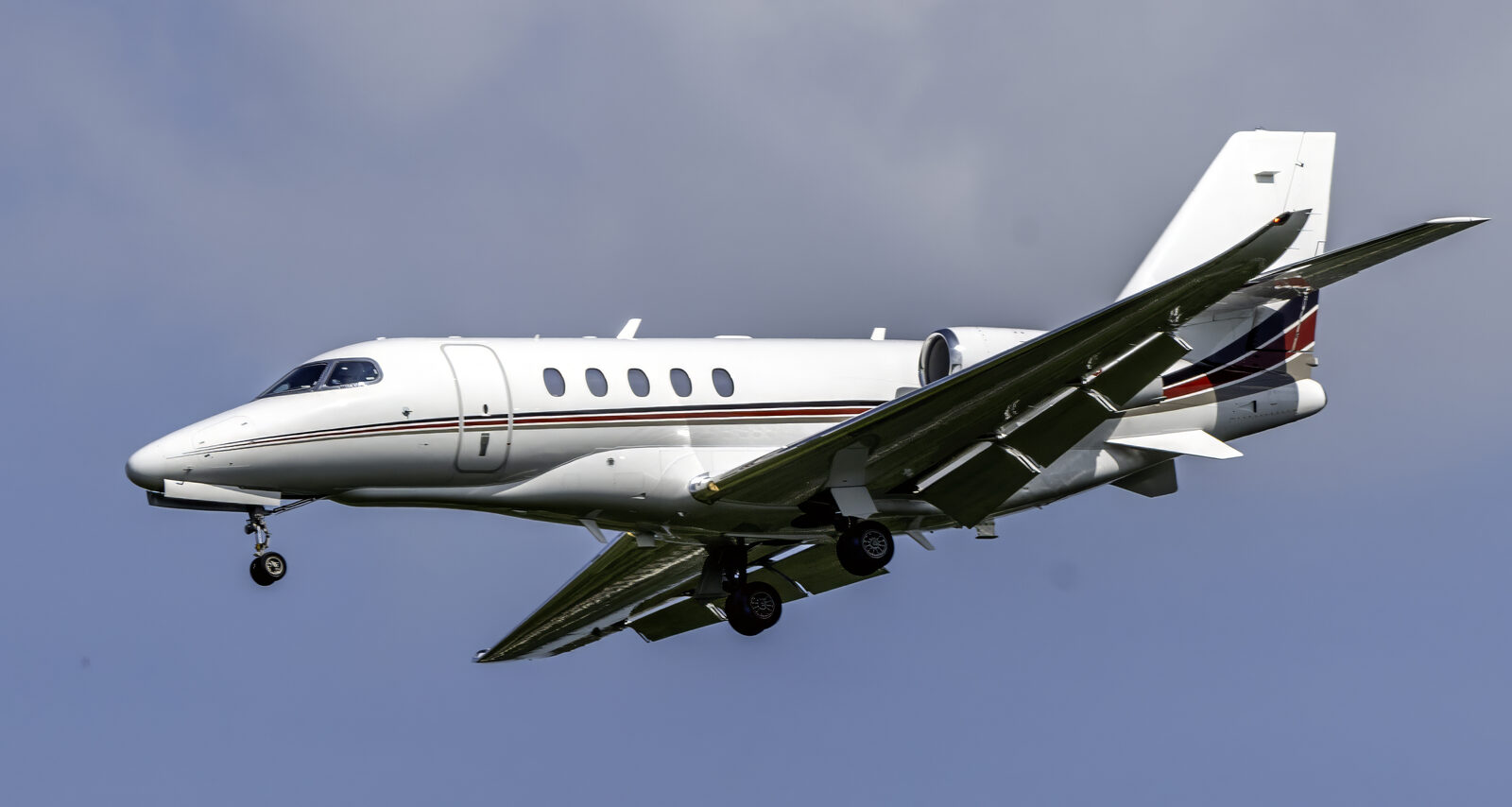
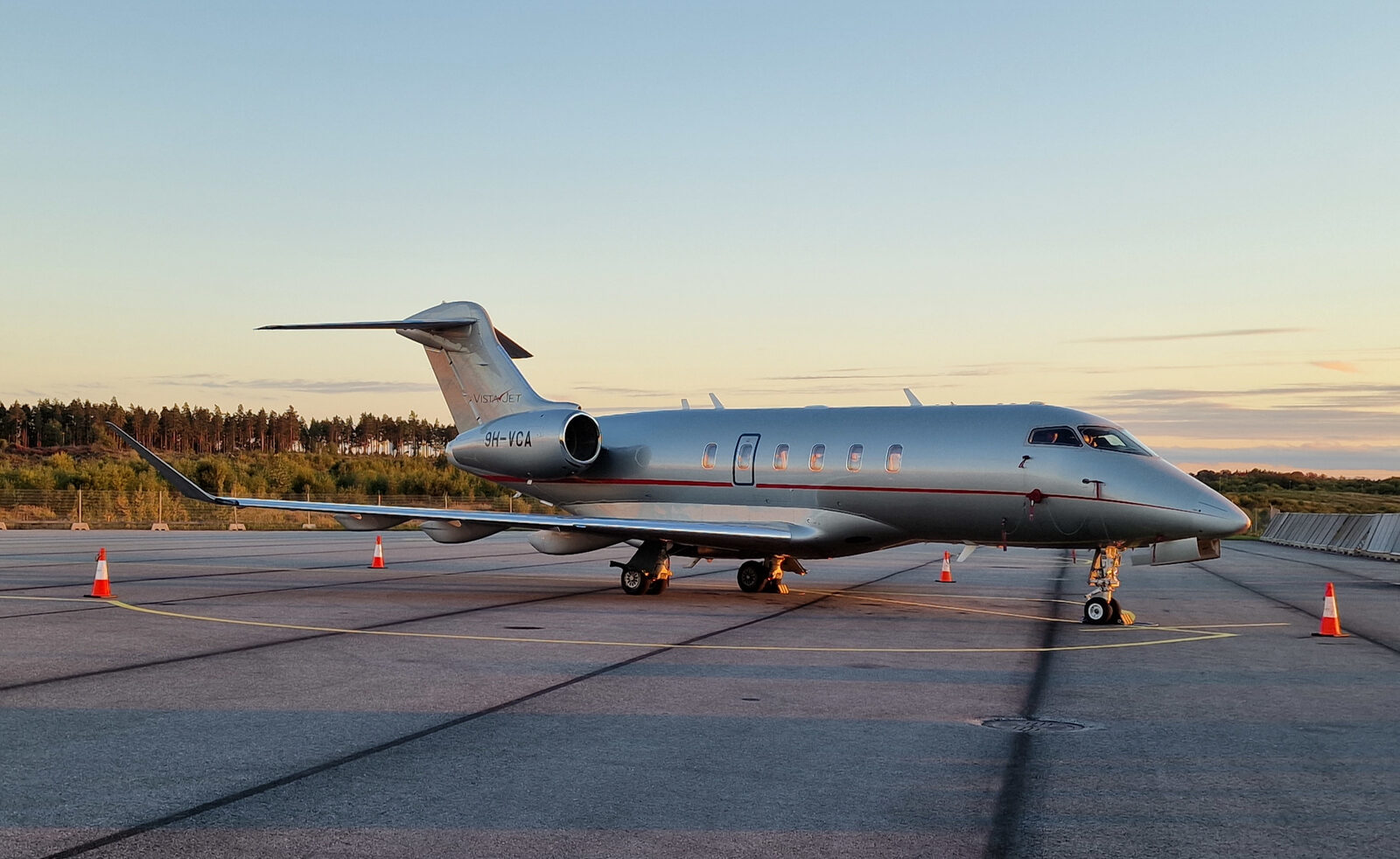
JetAlto treats Vienna as a two-field decision rather than defaulting every quote to Schwechat. The estimate checks the aircraft against Voslau's runway length and 6,300 kg limit before presenting it as an option, and it defaults larger cabin classes straight to Schwechat where the runway and FBO infrastructure support them without qualification. Graz is held in reserve for weather diversions rather than treated as a standard routing choice given the road distance involved. This approach gives the client a price built on the airport that actually fits the aircraft and mission, rather than an idealised routing that has to be corrected later by the operator. The final operator confirmation validates the field, aircraft, timing and ground arrangement together.