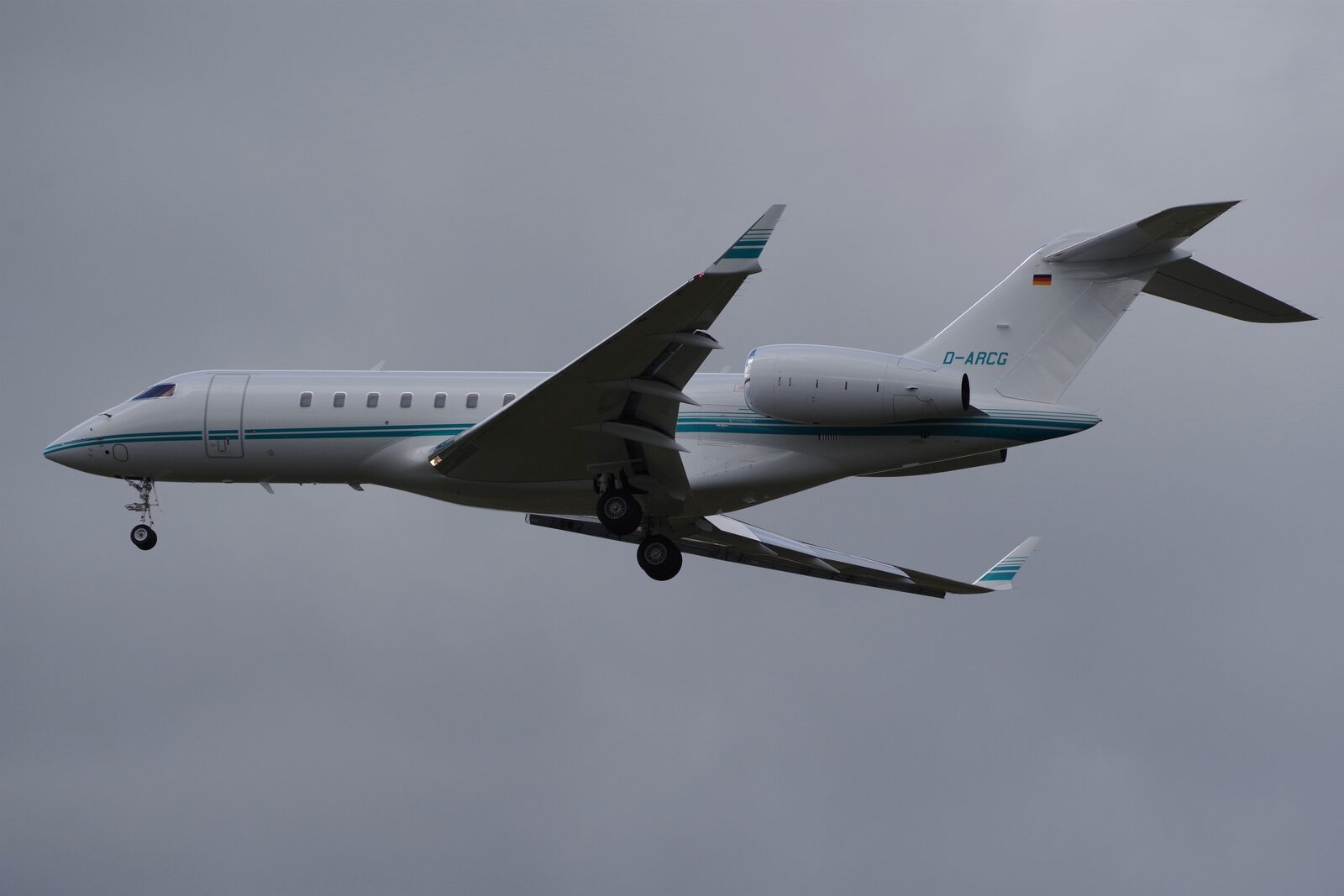
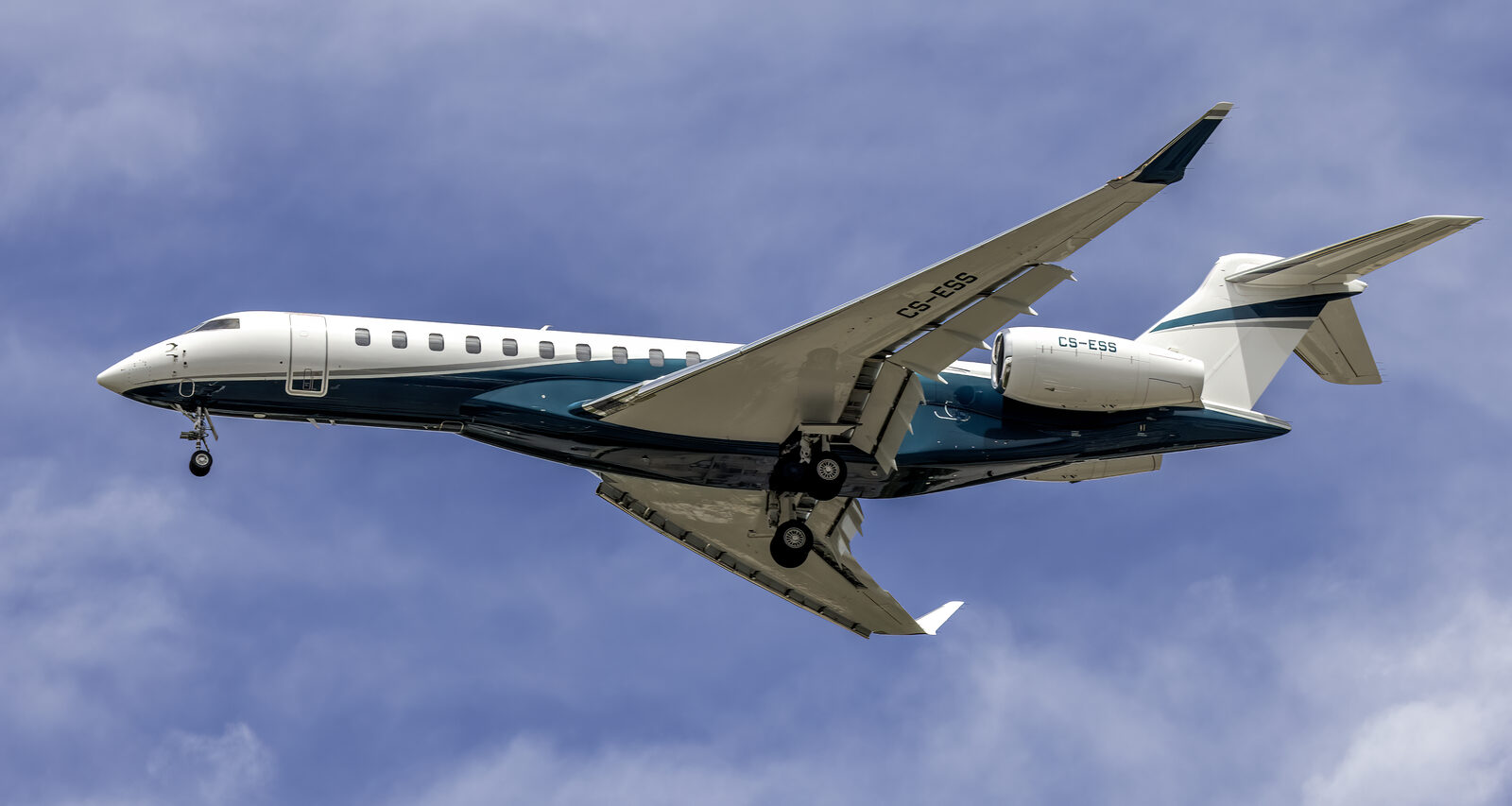
We charter from every business-aviation airport in the Osaka area. Choose the right one for your route, aircraft, and ground plans.
11 km north of Osaka Station, the closest airport to central Osaka
(none)
- Runway
- 3,000 m
- Operating hours
- Domestic-only operations. Terminal buildings run 0530 to 2200 or 2230 local; the airport has been subject to a night operating ban since 1970 and no scheduled operations run overnight. Exact current published curfew hours: n.a.
- Best for
- Light · Midsize · Super-mid · Heavy
Two asphalt runways: 14R/32L at 3,000 m and 14L/32R at 1,800 m. Itami handled 137,292 aircraft movements and 15,157,501 passengers in 2024, against 137,996 movements and 14,753,825 passengers in 2023, essentially all domestic (international movements have been zero since 2019). Commercial passenger aircraft with more than two engines have been banned since April 2006, and hourly and daily movement quotas apply. Itami is the convenient choice for domestic business flights because of its proximity to the city, but it is not an airport of entry, so international arrivals clear at Kansai. No US or European style FBO exists in Japan; handling is by approved providers.
FBOs on-field: n.a. (no US or European style FBO; handling by approved Japanese providers)
Charter from ITM →
38 km southwest of Osaka Station, on an artificial island in Osaka Bay; Universal quotes about 61 km and roughly 50 minutes by car to downtown Osaka
Dedicated business jet gate (approximately 20 minute passenger and crew processing)
- Runway
- 4,000 m
- Operating hours
- 24 hours a day, seven days a week, with 24 hour customs, immigration and quarantine. Kansai was the first airport in Japan to operate 24 hours.
- Best for
- Light · Midsize · Super-mid · Heavy
Two asphalt runways: 06L/24R at 4,000 m and 06R/24L at 3,500 m. Kansai recorded 193,134 aircraft movements and 30,598,651 passengers in 2024, up from 157,172 movements and 23,302,976 passengers in 2023. It is the region's airport of entry and the practical base for international business aviation, with a dedicated business jet gate where passengers and crew typically clear in about 20 minutes and a Universal Aviation ground support team based on site. Arrival and departure slots are required for every flight 24/7, but slot tolerance is generous (valid from 00 to 59 past the hour) and Kansai is described as one of Japan's more flexible airports for short-notice changes. Parking is the weak point: Universal cites a 72 hour GA parking maximum, and during Expo 2025 (12 April to 11 October 2025) GA stays were capped at under 48 hours with mandatory repositioning. Airport and GAT charges are quoted at about USD 1,500 (JPY 220,000).
FBOs on-field: Universal Aviation Japan (on-site ground support team)
Charter from KIX →
8 km south of Sannomiya Station in Kobe, on a man-made island in Osaka Bay
- Runway
- 2,500 m
- Operating hours
- 0700 to 2300 local
- Best for
- Light · Midsize · Super-mid · Heavy
Single asphalt runway 09/27 of 2,500 m. Kobe handled 33,300 aircraft movements and 3,576,118 passengers in calendar 2024. It has been business aviation friendly for years: it took its first international business jet in September 2006, and until 2025 international flights were banned except for private aircraft and own-use charters, which made it a quiet bolthole for private operators. An international terminal opened on 18 April 2025 and international charter services to China, South Korea and Taiwan began that month. Kobe is generally not an airport of entry: CIQ can be arranged with prior notice but requires 14 business days advance notification. Universal notes Kobe has a full-service FBO, without naming the operator.
FBOs on-field: Unnamed full-service FBO reported by Universal Aviation; specific operator name n.a.
Charter from UKB →