Muscat International is Oman's transatlantic-capable business-aviation base, with two runways at 4,080 m and 4,000 m and Jetex as the exclusive private FBO. The airport handled 12.9 million passengers and 96,116 movements in 2024. Salalah covers southern Oman and Duqm is the emerging industrial gateway. Instant estimates, operator quotes inside 15 minutes.
Get a private jet charter quote
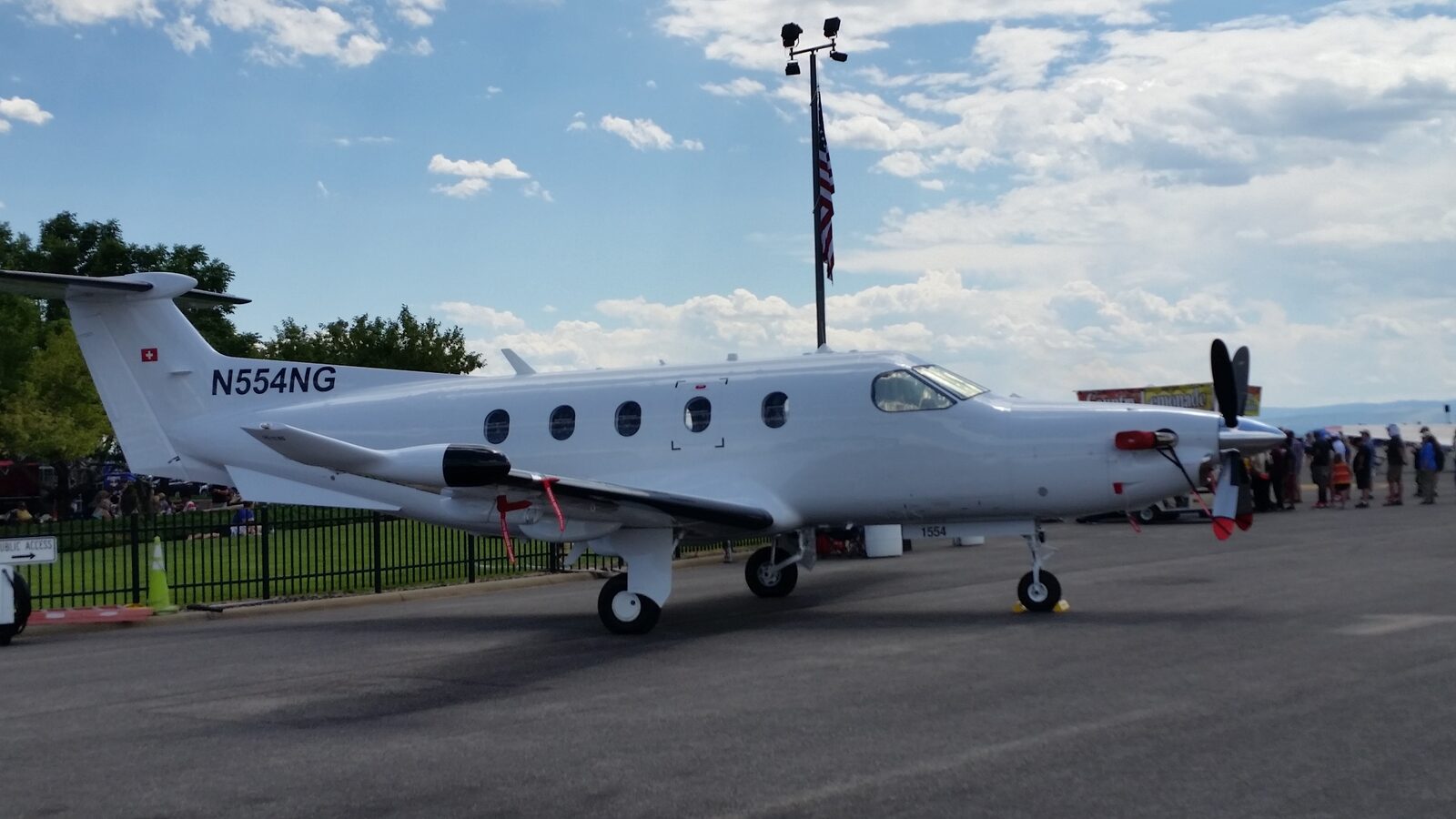
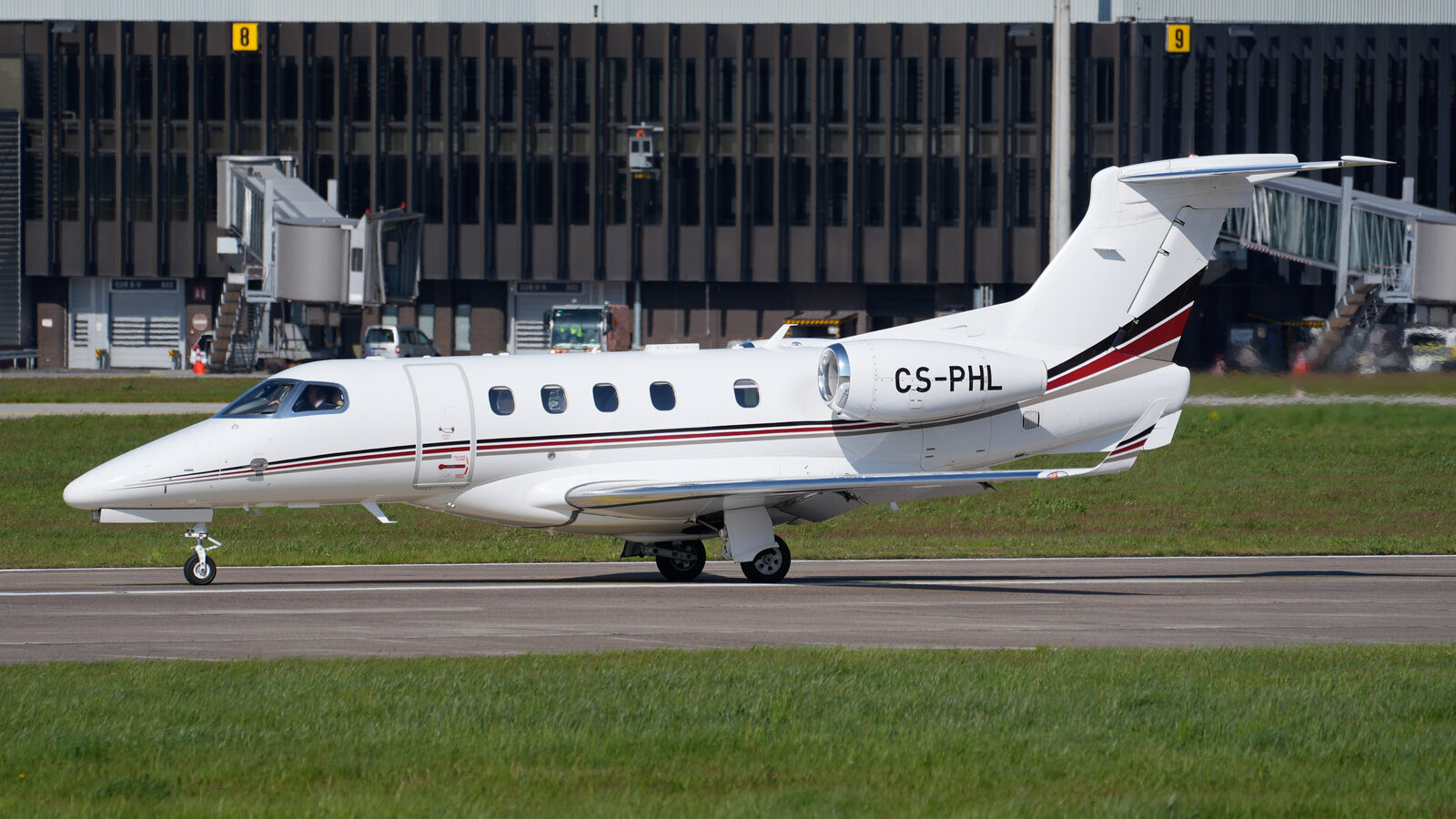
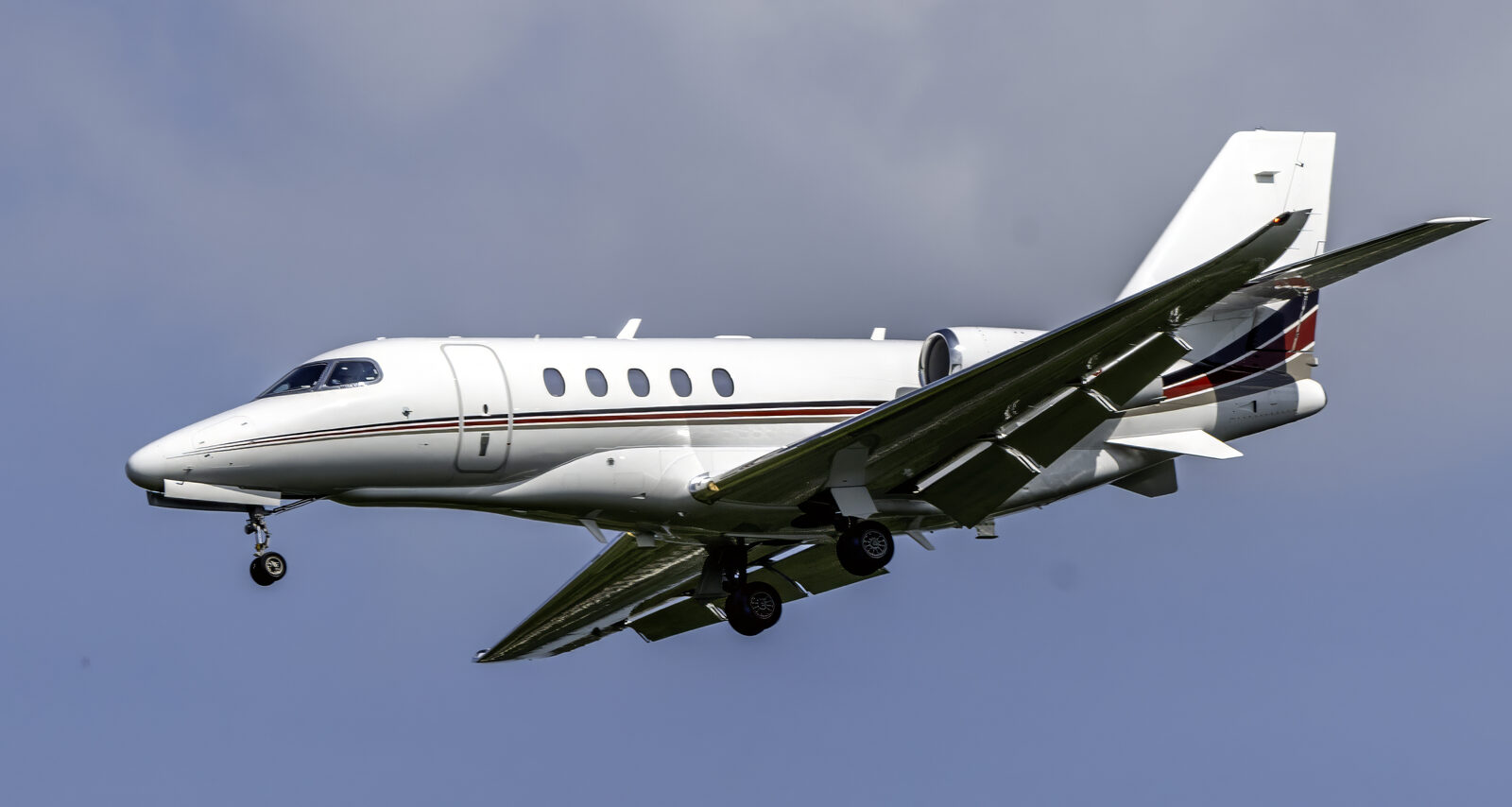
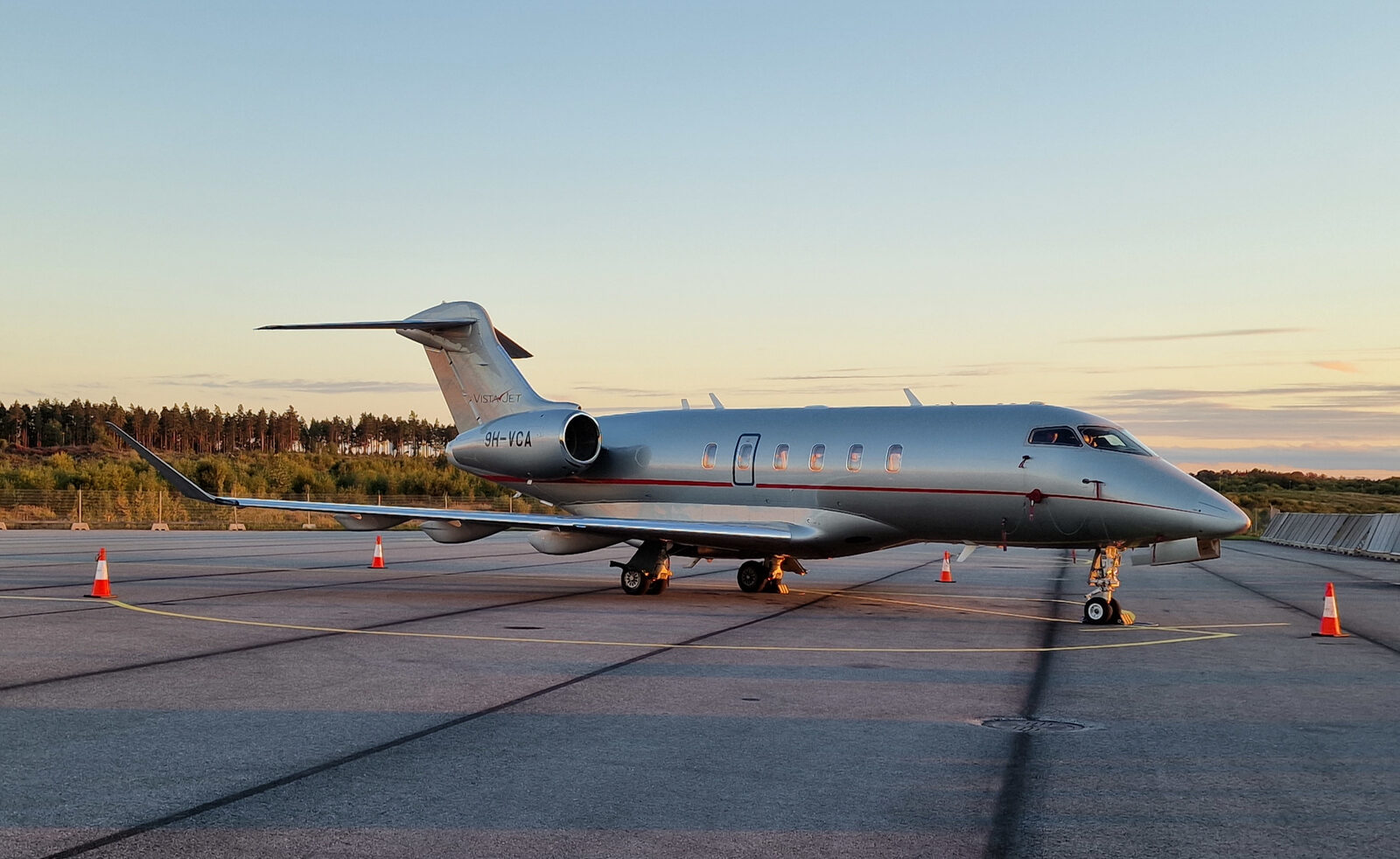
Aircraft options for your trip
Same route, different cabins. Prices are indicative and include fuel, crew & handling.
Prefer a specific aircraft? Mention it in the request above under “Add more details → Aircraft preference”.
Complete your detailsName, email, and phone or WhatsApp
Muscat International runs two parallel runways of 4,080 m and 4,000 m around the clock and handled 12.9 million passengers on 96,116 aircraft movements in 2024.
Where you can depart
Muscat private-jet airports
We charter from every business-aviation airport in the Muscat area. Choose the right one for your route, aircraft, and ground plans.
MCT
Muscat International Airport
OOMS
32 km from the old city and capital Muscat; Jetex describes its Muscat FBO as a 30 minute drive from the city centre
Jetex FBO / general aviation terminal for private jets, plus a separate Royal Terminal used by the Royal Flight of Oman
Runway
4,080 m
Operating hours
Open 24 hours a day, seven days a week per Oman Airports' published terms of service; Oman Airports administration offices operate Sunday to Thursday 07:00 to 17:00
Best for
Light · Midsize · Super-mid · Heavy
Two parallel asphalt runways: 08R/26L at 4,080 m (13,385 ft) and 08L/26R at 4,000 m (13,123 ft), so there is no runway limitation for any business jet in service. Owned and operated by Oman Airports. Traffic was 12,599,545 passengers and 95,490 aircraft movements in 2023, and 12,863,576 passengers in 2024; Oman's National Centre for Statistics and Information reported 12.9 million passengers and 96,116 aircraft movements for 2024, up 0.8 percent on 2023, of which 11,861,213 passengers came on 86,835 international flights. Jetex is the exclusive FBO and the exclusive handler for general aviation flights at Muscat and Salalah, coordinating slots, ground handling and landing permits on behalf of operators; slots are required and handling is mandatory. Jetex was awarded the ten-year mandate by Oman Airports Management Company in November 2017 to build Oman's first-ever FBOs, opening at Muscat and Salalah in December 2018; the two Oman FBOs together offer more than 1,500 sq m of dedicated VIP lounge space, with the second facility at 600 sq m. Separately, a Royal Terminal and Royal Flight hangars sit adjacent to the old terminal, and the Royal Flight of Oman bases at Muscat in a segregated and separately secured VIP terminal and hangar area. Hangarage for transient business jets and IS-BAO or IS-BAH certification status: n.a.
FBOs on-field:Jetex Muscat - first and sole FBO provider in Oman and exclusive general aviation handler at MCT
Salalah International Airport (southern Oman alternate)
OOSA
Southern Oman, Dhofar governorate, close to Salalah city
Segregated and separately secured VIP terminal supporting Royal Flight of Oman activity
Runway
3,343 m
Operating hours
Open 24 hours a day, seven days a week per Oman Airports' terms of service
Best for
Light · Midsize · Super-mid · Heavy
Alternate for southern Oman and the Dhofar khareef season. CAPA lists runways of 3,343 m by 45 m and 1,292 m by 18 m; the Oman Civil Aviation Authority describes the main runway as 4 km long and 75 m wide following redevelopment, so published figures differ and the operating runway should be confirmed against current AIP data before planning. Salalah carries the country's second Jetex FBO and a segregated VIP terminal supporting Royal Flight of Oman activity. Salalah handled 1,520,652 passengers on 10,455 flights in 2024.
Duqm International Airport (central Oman alternate)
OODQ
About 14 km from the town of Duqm on Oman's central east coast
(none confirmed)
Runway
4,000 m
Operating hours
24-hour operations (H24 per Oman Airports).
Best for
Light · Midsize · Super-mid · Heavy
Purpose-built alternate on the central coast serving the Duqm special economic zone. The Oman Civil Aviation Authority gives a 4 km runway, 75 m wide, with a 37 m control tower. Parking for four aircraft including A380, current capacity up to about half a million passengers with expansion plans to 2 million. Duqm handled 61,137 passengers on 622 flights in 2024, so it is effectively an uncongested diversion and industrial-traffic field rather than a demand market.
Every quote we issue is fully-loaded: block time, crew, fuel, standard catering, and handling. These are the exceptions where extras apply.
Included in every quote
Aircraft charter on block time, from block-off to block-on
Flight crew, including duty and rest costs
Fuel at the operator's contracted uplift rate
Standard catering: cold platter, snacks and soft drinks
Landing, parking and handling at the primary departure FBO
Positioning within the immediate region on standard routings
Insurance, navigation charges and standard overflight
FBO passenger and crew handling with customs and immigration
Charged separately (when they apply)
International landing and overflight permits for foreign-registered aircraft
Hangarage beyond the quoted ground time
Bespoke catering above the standard tier
Ground transport, hotels and crew per diem outside the scheduled trip
Extended waiting time beyond quoted ground hours
Peak-period surcharges over major events and public holidays
Chartering from Muscat
What to know before you book
→Jetex is the exclusive private FBO and general-aviation handler at Muscat International. All private-jet operations route through their facility. There is no second FBO on the field.
→The airport operates 24 hours with no movement ban. Late-night arrivals from Europe or Asia are handled routinely, which is one of Muscat's advantages over some regional alternatives.
→Two runways at 4,080 m and 4,000 m give MCT real transatlantic and Asia-Pacific capability. Ultra-long-range aircraft depart at MTOW without runway-length constraints.
→Oman's permit process is straightforward for foreign-registered aircraft, with handlers arranging landing and overflight permits as routine. Lead times are meaningful and same-day international arrivals should be confirmed in advance.
→Salalah (SLL) and Duqm (DQM) are the practical alternates, with Salalah covering southern Oman and Duqm serving the industrial coast and the special economic zone.
Empty legs
Repositioning flights from Muscat
Muscat's private traffic peaks between October and April, the cooler months. The corridors that generate the most empty legs are Muscat to Dubai year round, Muscat to Delhi and Mumbai on the India corridor, and long westbound legs to Europe when a European-based aircraft is returning to base. Flexible dates on those routes save 40-70% against on-demand.
Add your preferred route and dates in the request form. We'll monitor live empty-leg inventory for you and email as matches appear.
FAQ
Charter from Muscat, questions we get
Which FBO handles private jets at Muscat?
Jetex is the exclusive private FBO and general-aviation handler at Muscat International. All private-jet operations route through their facility and there is no second FBO on the field.
Is Muscat airport open 24 hours?
Yes. MCT operates around the clock with no movement ban. Late-night arrivals from Europe and Asia are handled routinely, which is one of the airport's real advantages for long-haul private aviation.
How long is Muscat to London by private jet?
About 7 hours 30 minutes westbound and 6 hours 45 minutes eastbound on a heavy or ultra-long-range aircraft. Muscat's 4,080 m runway takes heavy jets at maximum take-off weight for a nonstop London departure.
What runway length does Muscat have?
Two runways at 4,080 m and 4,000 m. That is a strong runway envelope for the region and handles the full business-jet range at maximum take-off weight, which matters for ultra-long-range departures to New York, Los Angeles or Sydney.
Which airport should I use in southern Oman?
Salalah (SLL) for the Dhofar region, Salalah Khareef Festival trips and southern Oman generally. Duqm (DQM) is the alternative for the industrial coast and the Special Economic Zone.
Do foreign-registered aircraft need permits in Oman?
Yes. Omani landing and overflight permits are required for foreign-registered aircraft and handlers arrange them as routine, with typical Gulf-region lead times. Same-day international arrivals should be confirmed in advance.
How far is Muscat airport from central Muscat?
About 20 km west of the central Muttrah and Ruwi districts. The drive is typically 25 to 35 minutes off-peak and can extend during rush-hour periods. Traffic on the Muscat coastal road is generally moving.
When is the best time to fly to Oman?
October through April is the cooler season and the natural travel window. July through September is the Khareef monsoon in Salalah, which is a genuine peak for the southern Oman traffic even though the north is at its hottest.
Market notes
On chartering from Muscat
Muscat International handled 12.9 million passengers and 96,116 aircraft movements in 2024, and its two runways at 4,080 m and 4,000 m give it a runway envelope that most Gulf business-aviation bases would envy. That combination of runway length, 24-hour operation and Jetex as the exclusive FBO makes Muscat one of the more capable private-jet origins in the region, particularly for ultra-long-range westbound and Asia-Pacific missions.
Jetex is the exclusive private FBO on the field. There is no second FBO to choose from, which simplifies handler selection at the quote stage but also means the terms and service quality are what Jetex delivers. In practice their Muscat operation is one of the higher-rated in the Middle East and covers customs, immigration and crew facilities on-site.
Salalah (SLL) is the second Omani story. Its runway length is variously reported at 3,343 m in industry sources and 4 km in some Omani state materials, and the discrepancy has not been fully resolved. Either way it is more than enough for the full business-jet range, and Salalah is the natural base for itineraries into Dhofar and Salalah Khareef Festival trips in the July-September monsoon season.
Duqm on the industrial coast is emerging as the third pillar. Its Special Economic Zone has driven traffic growth from delegations visiting the port and refinery projects, and the airport is capable of handling a wide range of business jets. For most private itineraries Muscat remains the primary field, but Duqm is a useful alternate when the destination is specifically the SEZ or the central Omani coast.
Ready to fly from Muscat?
Get an instant price estimate for any route from MCT, Salalah or Duqm, then a hand-picked operator quote in 15 minutes. No obligation.