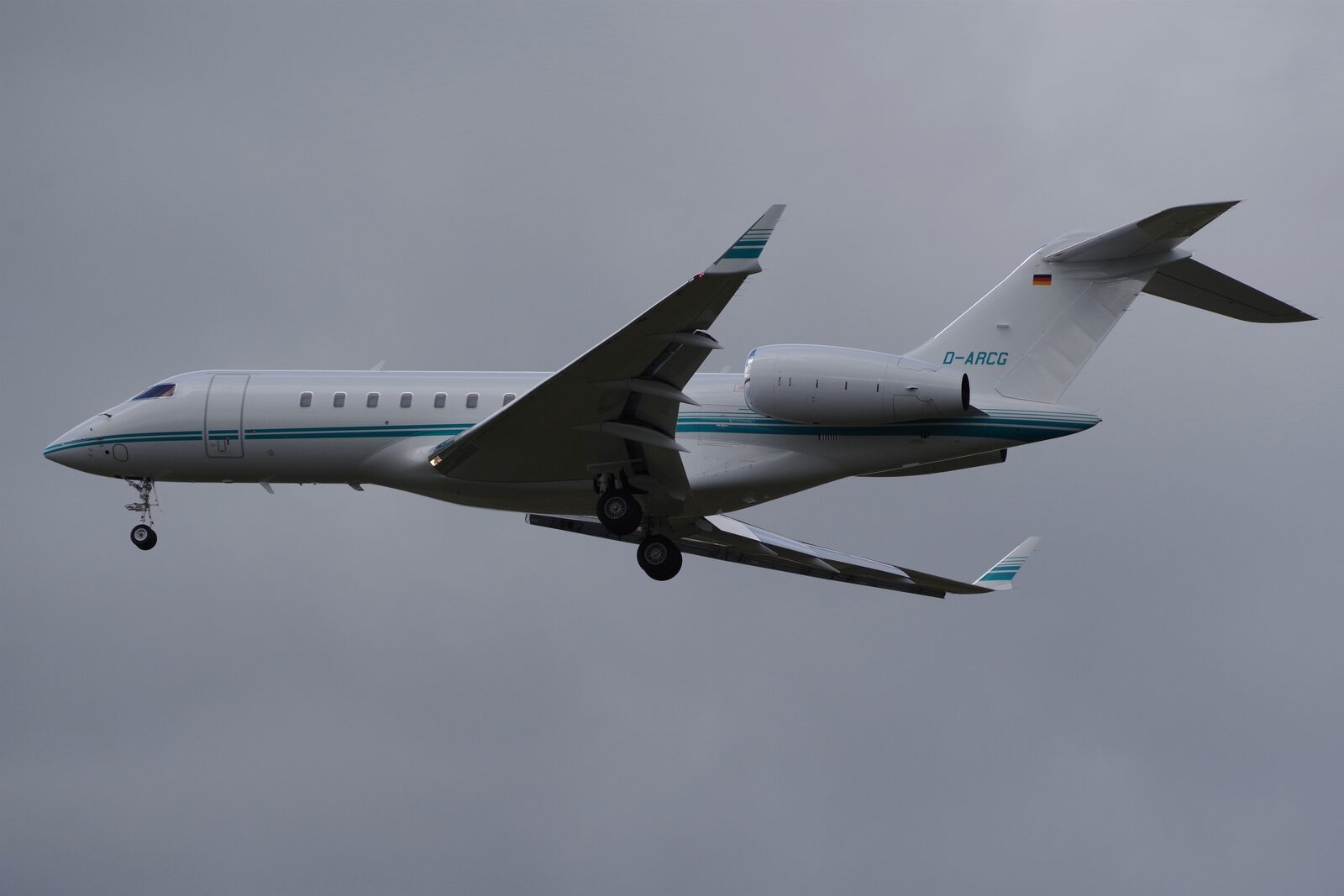
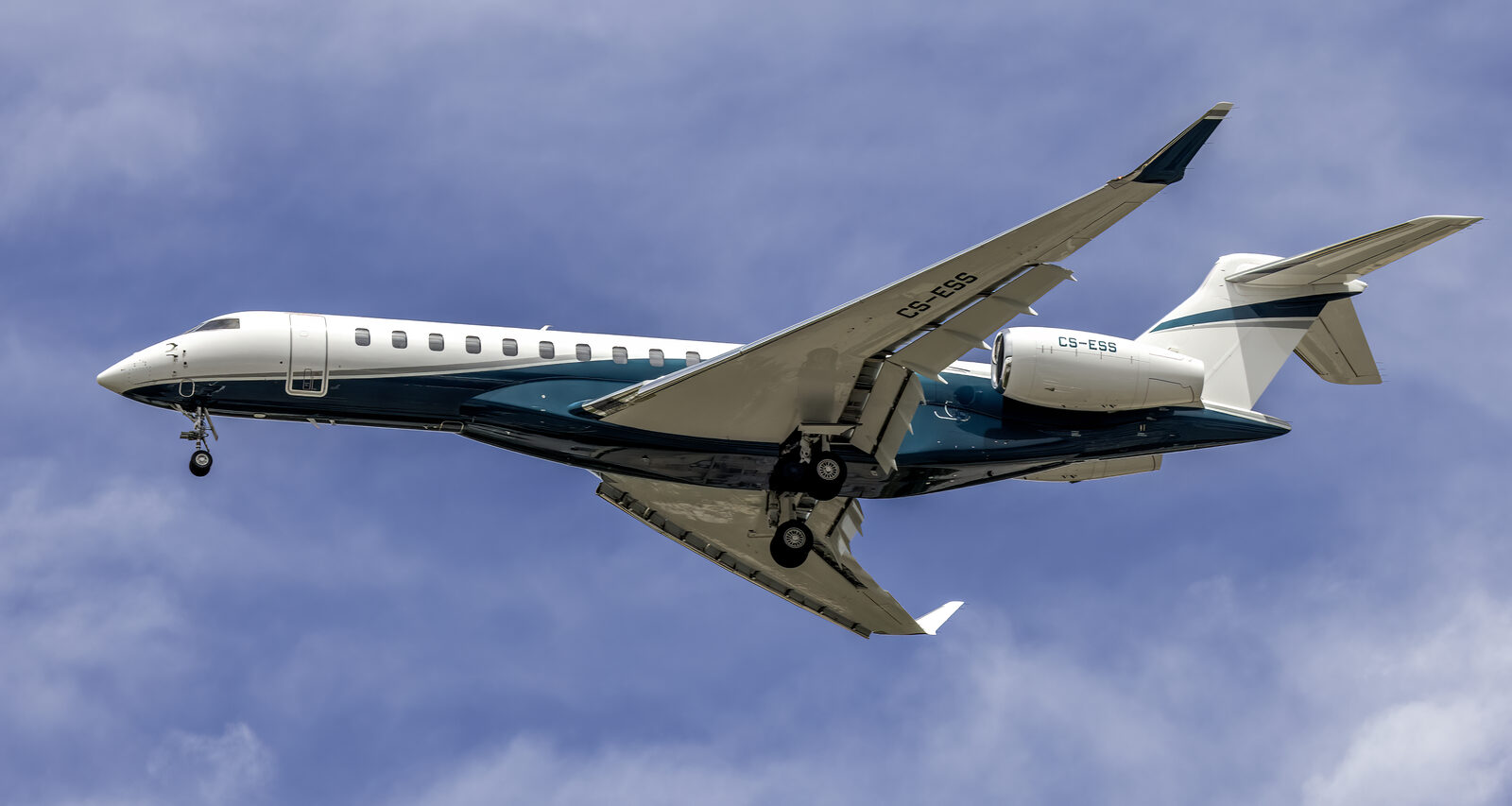
Toluca (TLC) is where Mexico City's business aviation actually operates, with a 4,200 m runway at 2,580 m elevation and the country's deepest bizjet handler roster. Benito Juárez (MEX) is a commercial-heavy alternate and AIFA (NLU) opened in 2022 to absorb some of the overflow. Instant estimates, operator quotes inside 15 minutes.
Get a private jet charter quote
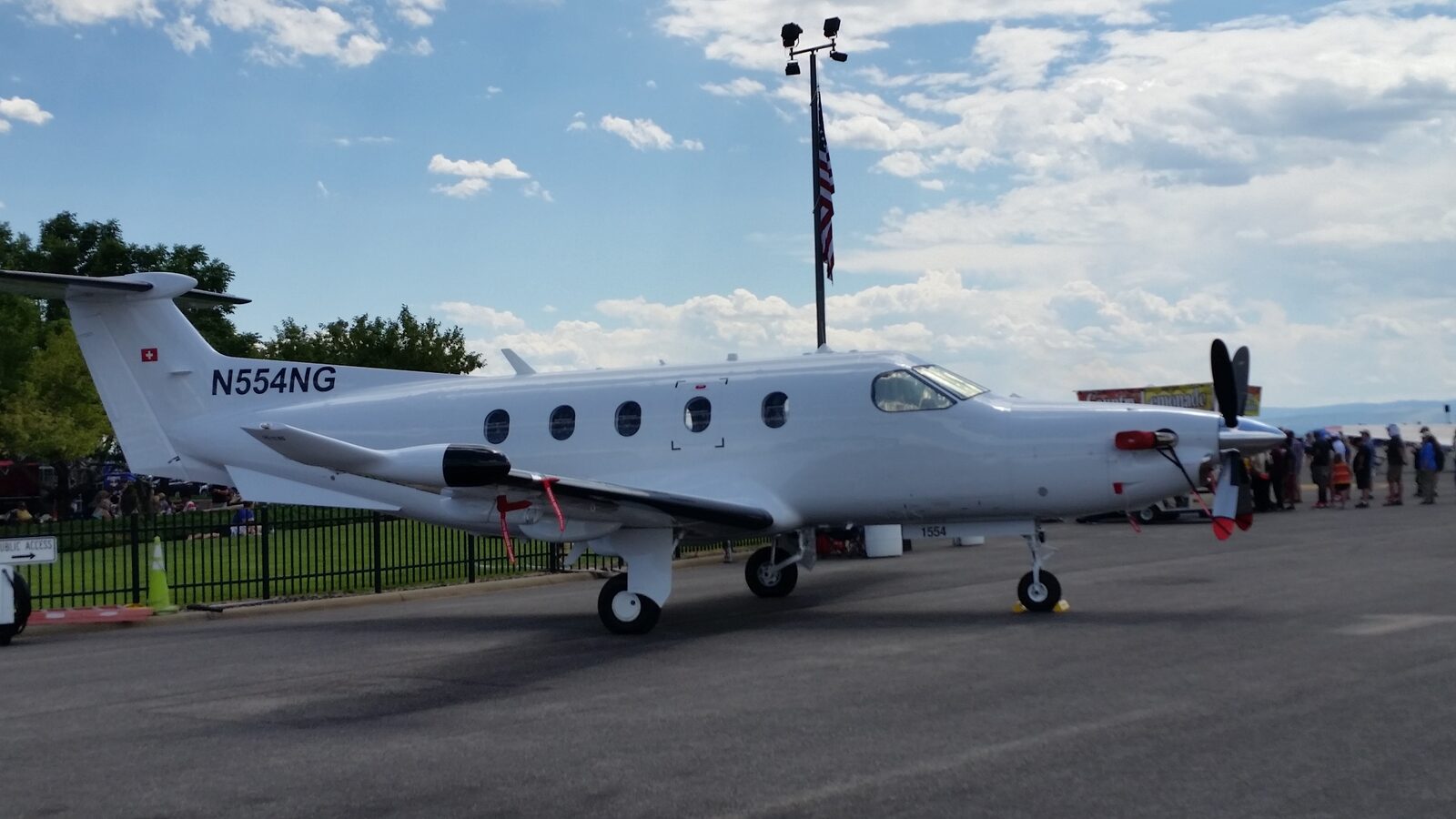
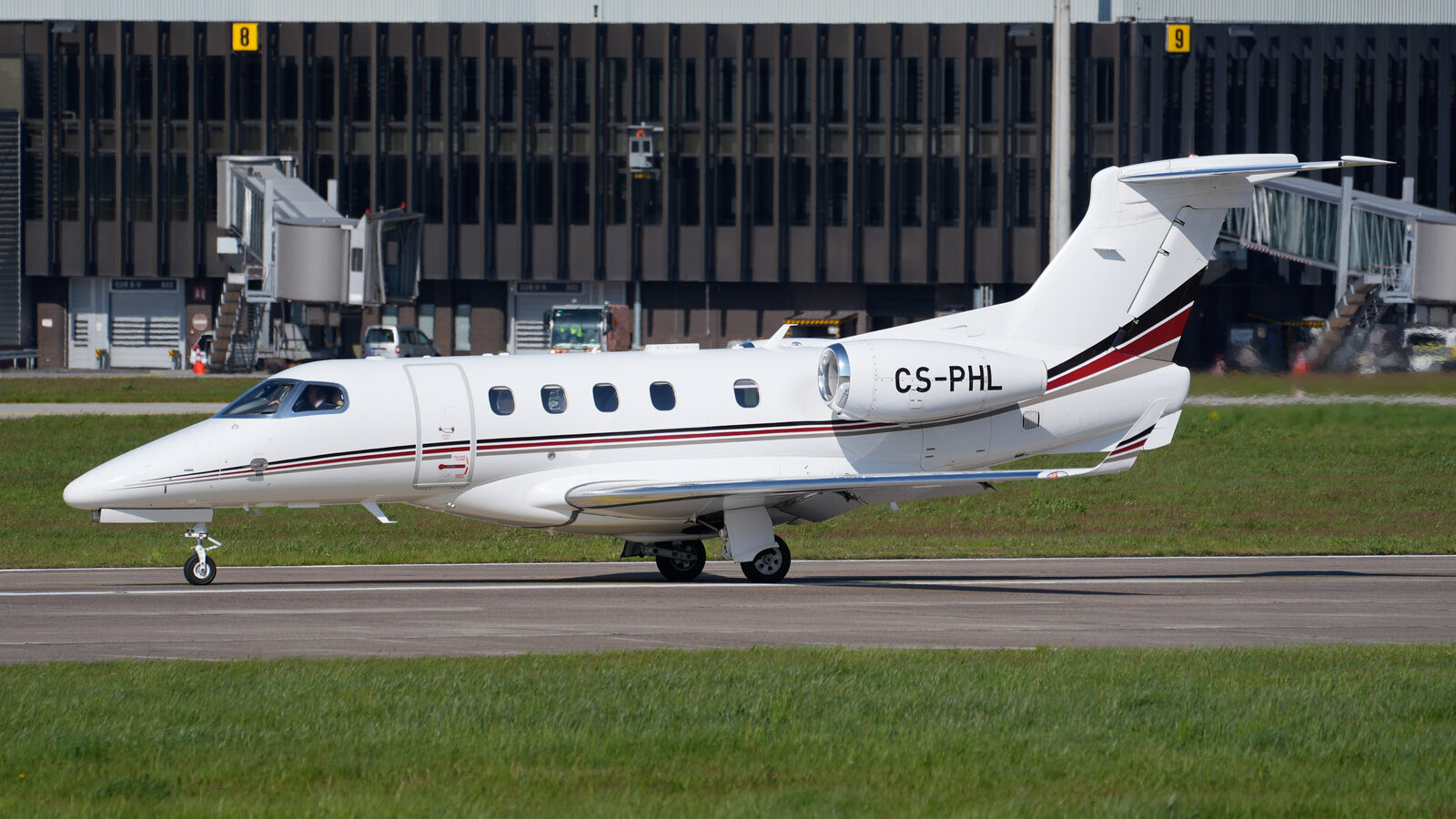
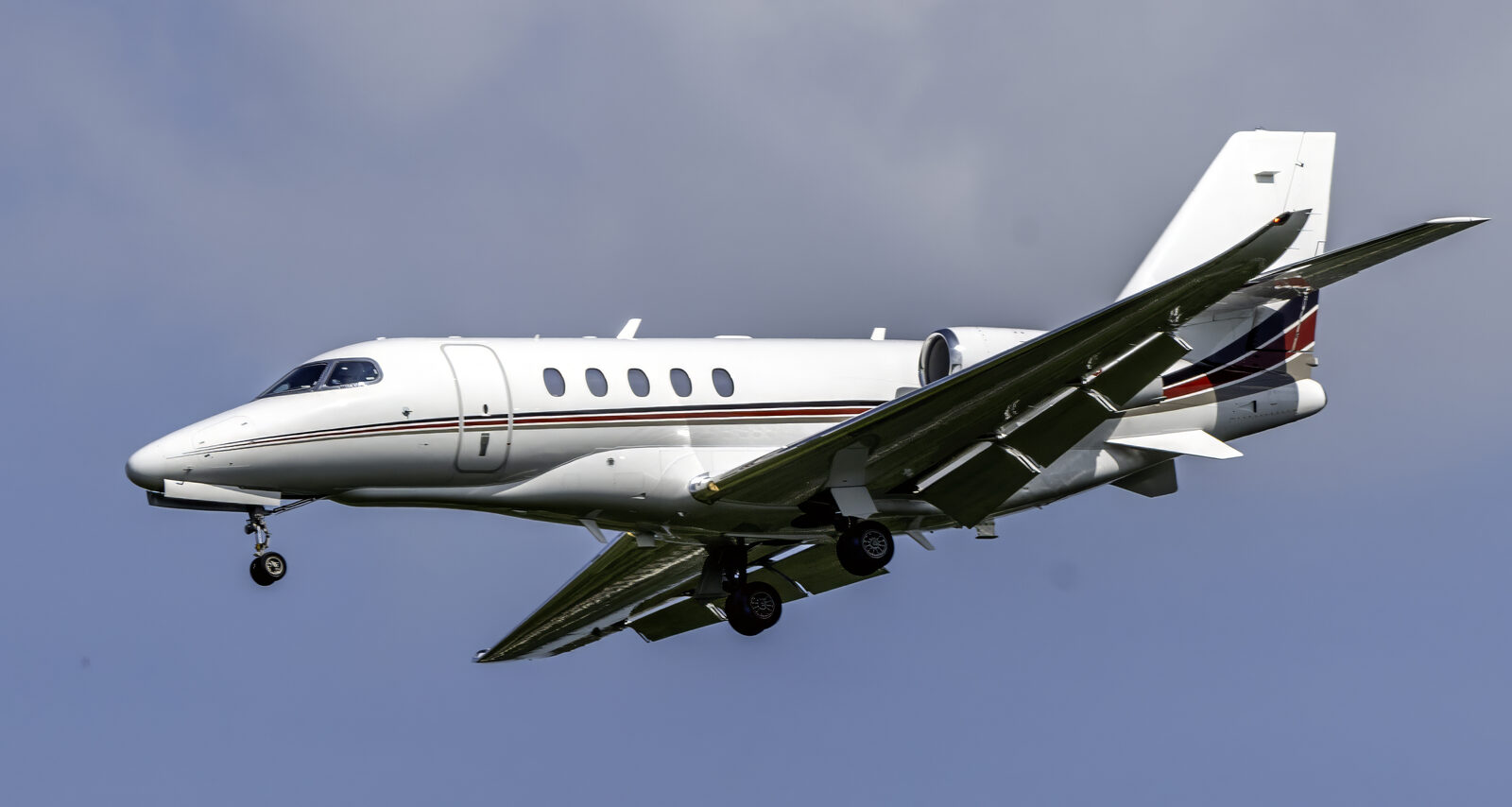
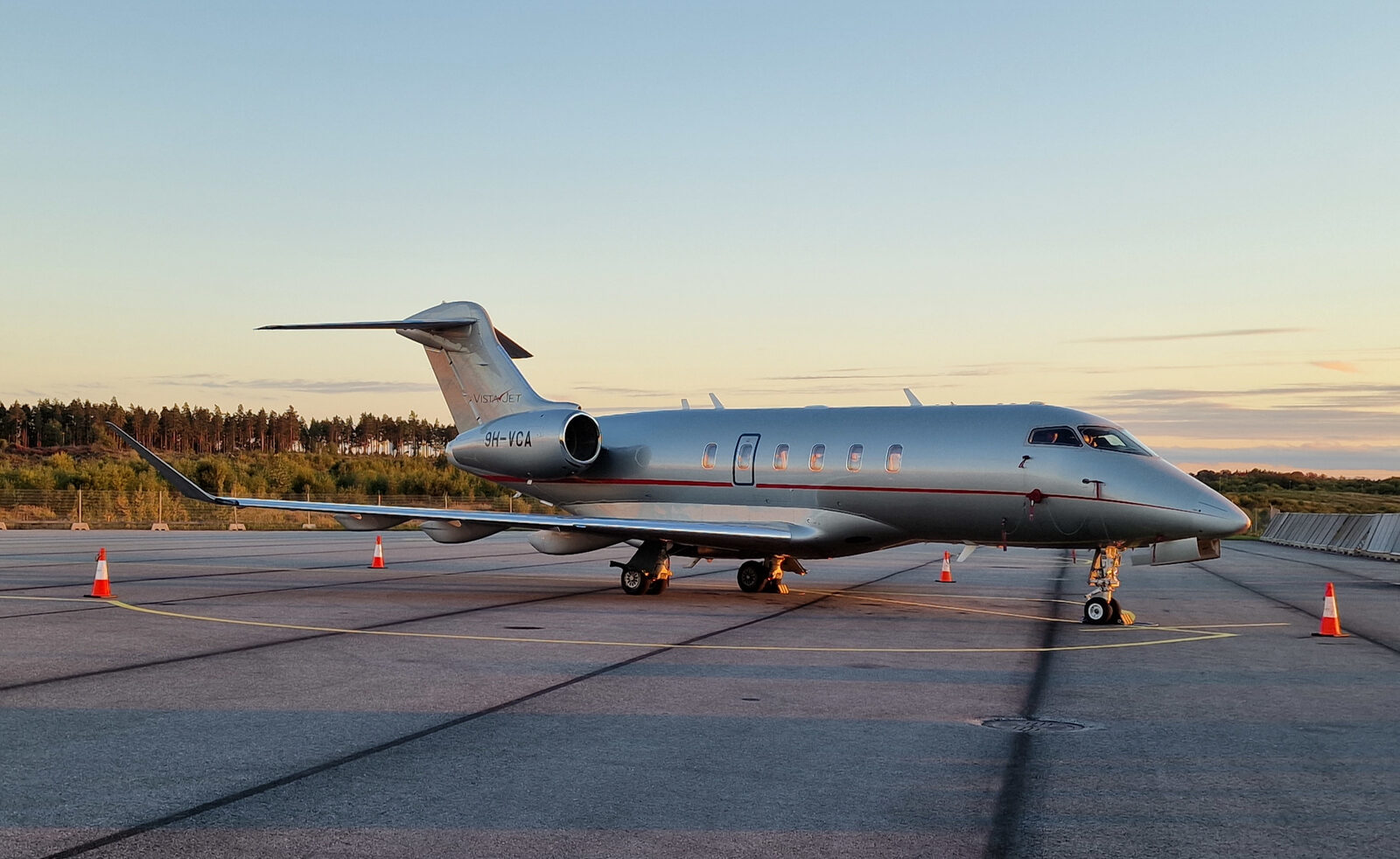
Aircraft options for your trip
Same itinerary, different cabins. These are calculated EUR planning estimates, not live availability. Confirm all inclusions and the final total in your written quote.
Prefer a specific aircraft? Mention it in the request above under “Add more details → Aircraft preference”.
Complete your detailsName, email, and phone or WhatsApp
General aviation has been banned at Mexico City International since 1994, which is why Toluca handled 79,576 movements in 2024 and hosts every major FBO serving the capital.
Where you can depart
Mexico City private-jet airports
We charter from every business-aviation airport in the Mexico City area. Choose the right one for your route, aircraft, and ground plans.
TLC
Licenciado Adolfo Lopez Mateos International Airport (Toluca)
MMTO
About 30 km west of the Santa Fe business district and under 50 km west of Mexico City International; Jetex quotes 30 minutes from Mexico City, while Universal warns of 1.5 to 2 hours drive time in heavy traffic
Multiple private FBO terminals; ICCS operates 20,344 sq ft of terminal space and Jetex runs a dedicated executive and crew lounge complex
Runway
4,310 m
Operating hours
24 hour airport of entry with customs, immigration and quarantine available 24/7
Best for
Light · Midsize · Super-mid · Heavy
Single asphalt runway 15/33 at 4,310 m (13,780 ft by 148 ft), at an elevation of about 2,580 m (8,460 ft), so density altitude drives real payload and runway planning. Toluca recorded 79,576 air operations and 1,704,011 passengers in 2024, against 78,816 operations and 1,520,255 passengers in 2023, making it the fifth busiest airport in Mexico by movements. Because general aviation has been banned at Mexico City International since 1994, Toluca is the primary and realistically the only business aviation gateway to the capital. FBO capacity is deep: Jetex Toluca at Calle 7 Hangar 62 runs 24/7 and is both IS-BAH and IS-BAO certified with executive and crew lounges and hangarage; ICCS Toluca operates two terminals totalling 20,344 sq ft (16,146 sq ft FBO terminal) plus two secure hangars totalling 59,201 sq ft; Universal Aviation Mexico opened a fifth hangar in 2018 taking its Toluca hangar space to almost 170,000 sq ft. Slots are not required and handling is mandatory. One important operational caveat: no FBO at Toluca can arrange CIQ on its own ramp, so every international arrival must first clear at the dedicated CIQ ramp before repositioning to its FBO.
Two parallel runways, 05L/23R at about 3,952 m and 05R/23L at about 3,900 m, separated by less than 300 m, which prevents simultaneous independent operations. Passenger traffic was 45,359,485 with 322,427 movements in 2024, down from 48,415,693 passengers and 363,271 movements in 2023 as the slot cap bit. General aviation has been prohibited at MEX since 1994 when it was moved to Toluca; only commercial, military, government and specifically authorised flights are accepted. The airport was declared saturated in 2014 and the hourly cap has been held at 61 operations per hour, reaffirmed and tightened in 2022, and a July 2023 decree shifted all dedicated cargo operations to Felipe Angeles. Private charter operators should plan on Toluca and treat MEX as unavailable.
About 35 km north of Mexico City (the Spanish-language description puts it 44 km north of the Centro Historico and 36 km from MEX)
General Aviation Building with pilot and passenger lounges
Runway
4,500 m
Operating hours
24 hours
Best for
Light · Midsize · Super-mid · Heavy
Opened 21 March 2022 on the Santa Lucia air base, with two civil runways of 4,500 m (04L/22R and 04C/22C) plus a 3,500 m military runway (04R/22L), at an elevation of about 2,245 m. Traffic scaled fast: 6,348,091 passengers and 67,730 operations in 2024, up from 2,639,421 passengers and 31,001 operations in 2023, plus 447,341 tonnes of cargo after the 2023 cargo relocation decree. AIFA has a General Aviation Building functioning as an FBO with pilot and passenger lounges, a dedicated general aviation apron, heliports, hangars and maintenance facilities, so it is a genuine second option, particularly for clients heading north of the city. Named third-party FBO brands operating at NLU: n.a.
FBOs on-field:General Aviation Building operated at the airport (FBO function); named third-party FBO brands n.a.
One-way whole-aircraft planning examples, not live offers. Where a route guide exists, its recommended aircraft, price and currency are used here. Each card states its currency; the enquiry form is a separate EUR calculation for your inputs. Confirm aircraft, routing, taxes, airport charges and the final total in a written quote.
Every quote we issue is fully-loaded: block time, crew, fuel, standard catering, and handling. These are the exceptions where extras apply.
Included in every quote
Aircraft charter on block time, from block-off to block-on
Flight crew, including duty and rest costs
Fuel at the operator's contracted uplift rate
Standard catering: cold platter, snacks and soft drinks
Landing, parking and handling at the primary departure FBO
Positioning within the immediate region on standard routings
Insurance, navigation charges and standard overflight
FBO passenger and crew handling with customs and immigration
Charged separately (when they apply)
International landing and overflight permits for foreign-registered aircraft
Hangarage beyond the quoted ground time
Bespoke catering above the standard tier
Ground transport, hotels and crew per diem outside the scheduled trip
Extended waiting time beyond quoted ground hours
Peak-period surcharges over major events and public holidays
Chartering from Mexico City
What to know before you book
→Toluca is Mexico City's actual private-aviation base, 40 km west of the city with a 4,200 m runway at 2,580 m elevation. The bulk of business jets operating in Mexico City route through TLC, not MEX. FBO coverage there is deep, with SAI, Aerofax, ExecuJet Toluca, Advent Aviation and Jetex all present.
→Benito Juárez (MEX) is heavily commercial and private-jet slots are limited. It is used for specific itineraries where a same-airport connection matters, but is not the default for private aviation.
→AIFA (NLU) opened in 2022 north of the city and has been used to absorb some of the overflow from MEX. It does not yet have a mature private-jet handler presence and Toluca remains the preferred base.
→Toluca sits at 2,580 m elevation, and high-altitude weight and balance planning materially affects payload on hot days. Operators know this well but it is a real factor in aircraft selection for a full-load departure.
→Foreign-registered aircraft need Mexican permits (permiso de aterrizaje) and handlers arrange them as routine. Lead times are meaningful and same-day international arrivals should be confirmed in advance.
Empty legs
Repositioning flights from Mexico City
Mexico City's private traffic peaks around the F1 Mexico City Grand Prix in late October and the year-end December window. The corridors that generate the most empty legs are Mexico City to Los Angeles year round, Mexico City to Miami and Houston on the near-US routes, and long westbound legs to Cabo and Cancun in the winter high season. Flexible dates on those routes save 40-70% against on-demand.
Add your preferred route and dates in the request form. We'll monitor live empty-leg inventory for you and email as matches appear.
FAQ
Charter from Mexico City, questions we get
Which Mexico City airport should I use for a private jet?
Toluca (TLC) is Mexico City's actual private-aviation base and handles the vast majority of business-jet operations. MEX is heavily commercial and slot-constrained for private jets. AIFA (NLU) is the newer government airport, useful for some itineraries but not yet at Toluca's handler depth.
How far is Toluca from central Mexico City?
About 40 km west of the city. The road transfer is 60 to 90 minutes depending on traffic and time of day, and this is often the practical constraint on itinerary timing rather than the flying itself.
Does Toluca's altitude affect my private jet?
Yes. Toluca sits at 2,580 m elevation and high-altitude density-altitude planning materially affects payload on hot days. The runway is long enough that it is not a hard constraint but a maximum-fuel departure with a full passenger load needs weight planning.
How long is Mexico City to Los Angeles by private jet?
About 3 hours 30 minutes to 4 hours block time on a midsize or super-midsize aircraft. It is one of the busiest US-Mexico private corridors and empty-leg availability on it is reasonable year round.
Which FBOs operate at Toluca?
SAI (Servicios Aéreos Internacionales), Aerofax, ExecuJet Toluca, Advent Aviation and Jetex all operate on the private side. The Toluca FBO scene is one of the deepest in Latin America and the choice depends on the operator you charter with.
Should I fly private into MEX or Toluca?
Toluca in almost all cases. MEX is heavily commercial with limited private-jet slot availability and a congested ramp. Toluca has the runway, the handlers and the parking capacity for business aviation.
What does Mexico City to Miami cost by private jet?
Use the route cards on this page and the linked route guide for the published aircraft category, one-way whole-aircraft range and stated currency. These are planning examples, not live offers or per-person fares. A different aircraft, direction, date, positioning requirement or connecting transfer can change the total. The enquiry form gives a separate EUR calculation for your inputs; confirm the actual aircraft, taxes, handling, transfers and total in a written quote.
Do foreign-registered aircraft need permits in Mexico?
Yes. A permiso de aterrizaje (landing permit) is required for foreign-registered aircraft and handlers arrange it as routine. Lead times are meaningful and same-day international arrivals should be confirmed in advance.
Market notes
On chartering from Mexico City
Toluca is the airport that matters for Mexico City private aviation. It sits 40 km west of the city with a single 4,200 m runway at 2,580 m elevation, and the FBO scene there is one of the deepest in Latin America. SAI, Aerofax, ExecuJet Toluca, Advent Aviation and Jetex all operate on the private side, and there is enough hangar capacity to base a significant fleet. The road transfer to central Mexico City is 60 to 90 minutes depending on traffic, which is often the real constraint on itinerary timing.
Benito Juárez is heavily commercial and government policy over the past few years has actively pushed private aviation away from it. Slot allocation for business jets is limited and the ramp is congested. It is still the right choice for specific itineraries where a same-airport connection to a commercial flight matters, but the default routing for private aviation is Toluca.
AIFA (Felipe Ángeles) opened in 2022 north of the city as part of a broader effort to redistribute Mexico City airport capacity. It has been used to absorb some overflow from MEX, but its private-jet handler presence is not yet at Toluca's level. For most itineraries Toluca remains the preferred base, and AIFA becomes relevant when the destination or origin is specifically in the northern part of the city.
The high-altitude departure factor is the one specific technical planning consideration for Toluca. At 2,580 m elevation, the density altitude on a hot day can push runway performance calculations significantly. Operators are well-versed in this and the runway is long enough that it is not a hard constraint, but for a maximum-fuel long-range departure the payload calculations look different from a sea-level airport.
Ready to fly from Mexico City?
Get an instant price estimate for any route from Toluca, MEX or AIFA, then a hand-picked operator quote in 15 minutes. No obligation.